Category Archives: News

Group participation at the ACS National Meeting

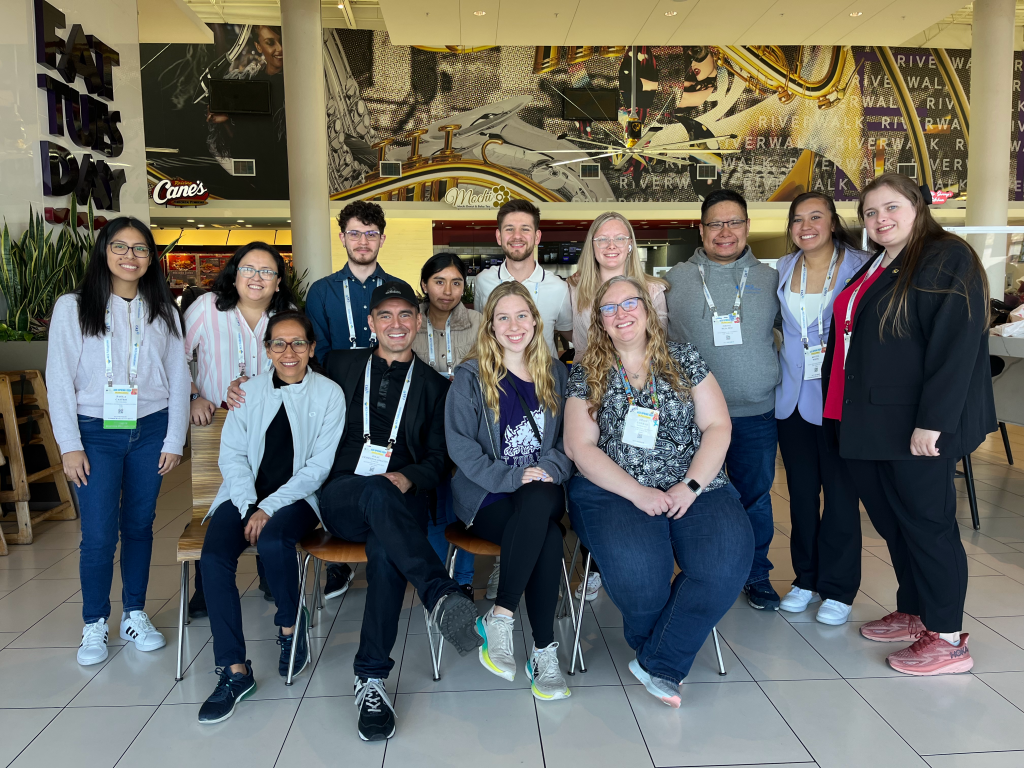
From March 17th to March 21st, three students from my research group (Tatiana Alpízar, Andrés Borloz and Andrés Rocha) and I attended the ACS Spring 2024 conference in New Orleans, USA. The students participation was made possible through the support of the Vicerrectoría de Vida Estudiantil y Servicios Académicos (VIESA) from Tecnológico de Costa Rica (TEC), as well as an ACS Student Communities Professional Meeting Grant.

During the conference I presented (Division of Chemical Education: societal issues) the talk entitled “Inclusive remote international poster sessions (iRIPS): an approach for student inclusion and diversity at ACS meetings“, with the main results and suggestions from the Global Innovation Grant project developed two years ago.

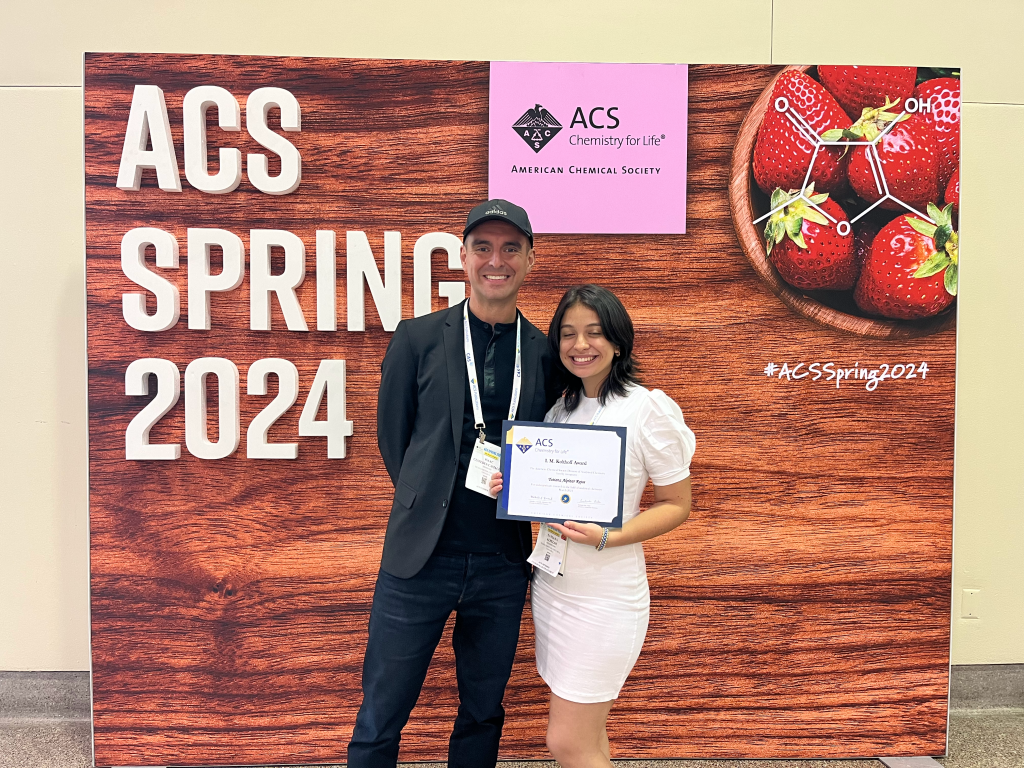
During the meeting we received great news: my student, Tatiana Alpízar-Rojas received the 2024 I. M. Kolthoff Award for her work entitled “Influence of functionalization agents on hydrophobic silica aerogel structural properties“, presented as a poster in the Division of Analytical Chemistry. Tatiana is the first Central American recipient of such award. A great honor for her and our working group!

Moreover, Andrés Rocha-Valverde presented a poster entitled “Hyperpolarized MRI techniques: a proposal for the Costa Rican national health system“, within the Division of Medicinal Chemistry. His presentation offered a comprehensive overview of his research on the use of hyperpolarized methods on the Costa Rican MRI services. Additionally, Andrés Borloz-Chinchilla gave an outstanding oral presentation entitled “Nuclear magnetic resonance in Costa Rica: a historical perspective“, within the Division of the History of Chemistry. This presentation was related to our recently accepted paper on the history of NMR in the country.

We had the chance to interact with members from ACS Publications as well as students and Faculty Advisors from several ACS Student Chapters. Additionally, we initiated several discussions for potential collaborations aimed at supporting student internships and the design and development of a hyperpolarizer in Costa Rica.

Academic visit to the Pontificia Universidad Católica del Perú

For 10 days. and thanks to the kind invitation of Prof. Betty Galarreta, I visited the Academic Department of Sciences (Chemistry Section) at the Pontificia Universidad Católica del Perú (PUCP) in Lima to present my current research, provide some insights about NMR methodologies, create academic collaborations between our universities, and interact with their ACS International Student Chapter.

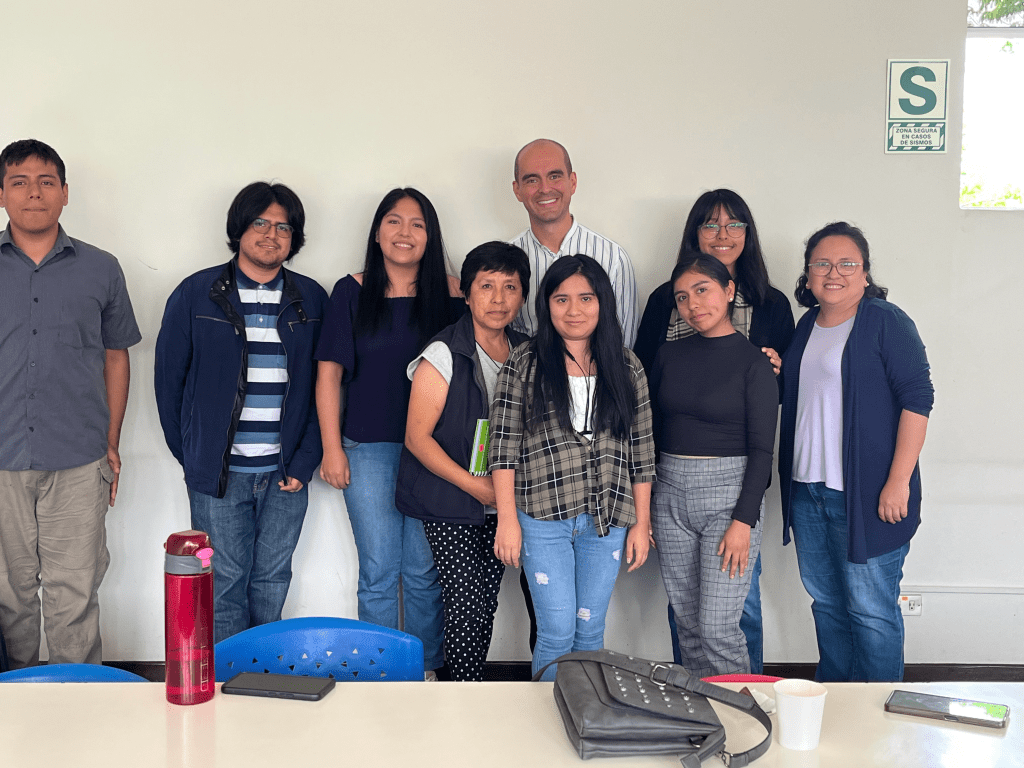
A roundtable discussion was organized with undergrad students and academic staff, to talk about my academic formation and how I got connected with the NMR world. We talked about the importance of solid-state NMR and how it could be used in peruvian science and technology. After that, I had the opportunity to visit the Laboratory of Nuclear Magnetic Resonance at PUCP, and their 500 MHz Bruker magnet (first of its kind in the country). Prof. Helena Maruenda-Castillo, head of the lab, introduced me with their research lines and future perspectives.

Moreover, I presented the talk entitled Hyperpolarization phenomena in Nuclear Magnetic Resonance where I showed how to improve the signal enhancement in our NMR experiments. Also, I talked about low-field NMR and how useful are the new benchtop NMR for academia and research.

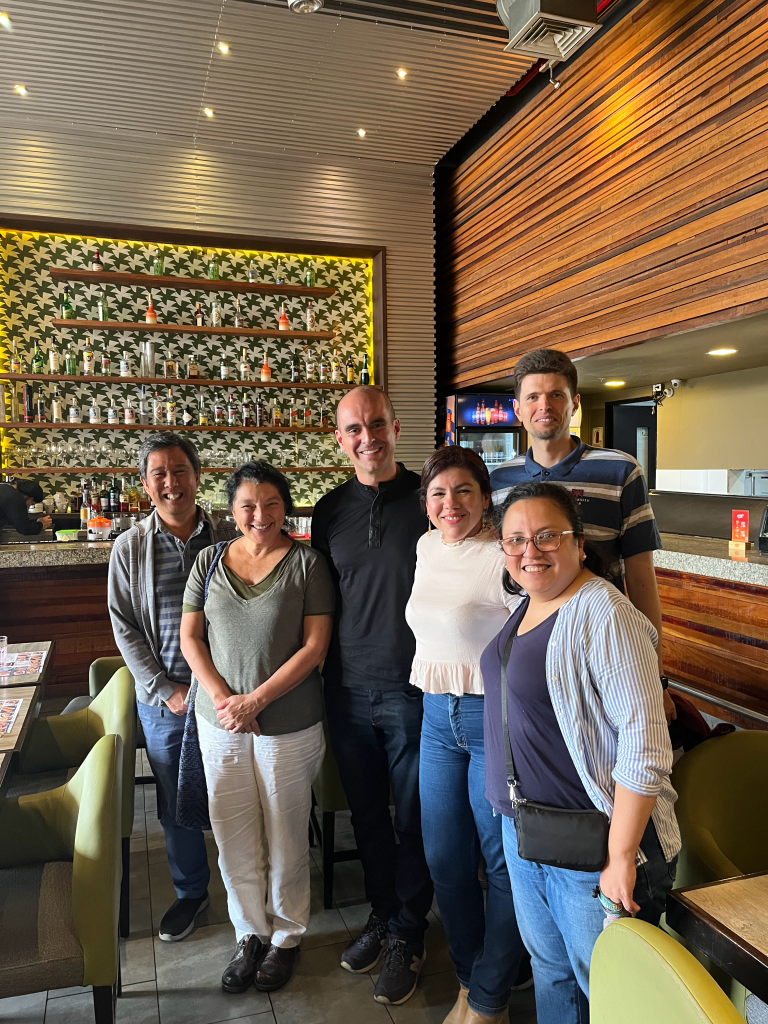
Finally, I had the opportunity to meet with the members of the ACS International Student Chapter at PUCP to discuss about collaborations between our chapters and the options of international internships, trying to meet one of the milestones from the last ACS International Faculty Advisors Meeting.

I had the chance to talk with most of the professors at the Department, looking for possible collaborations in NMR methodologies, material science development, and student internships. I am confident that successful projects will come after this fruitful visit.

Participation in the first ACS Faculty Advisors meeting from LATAM+C

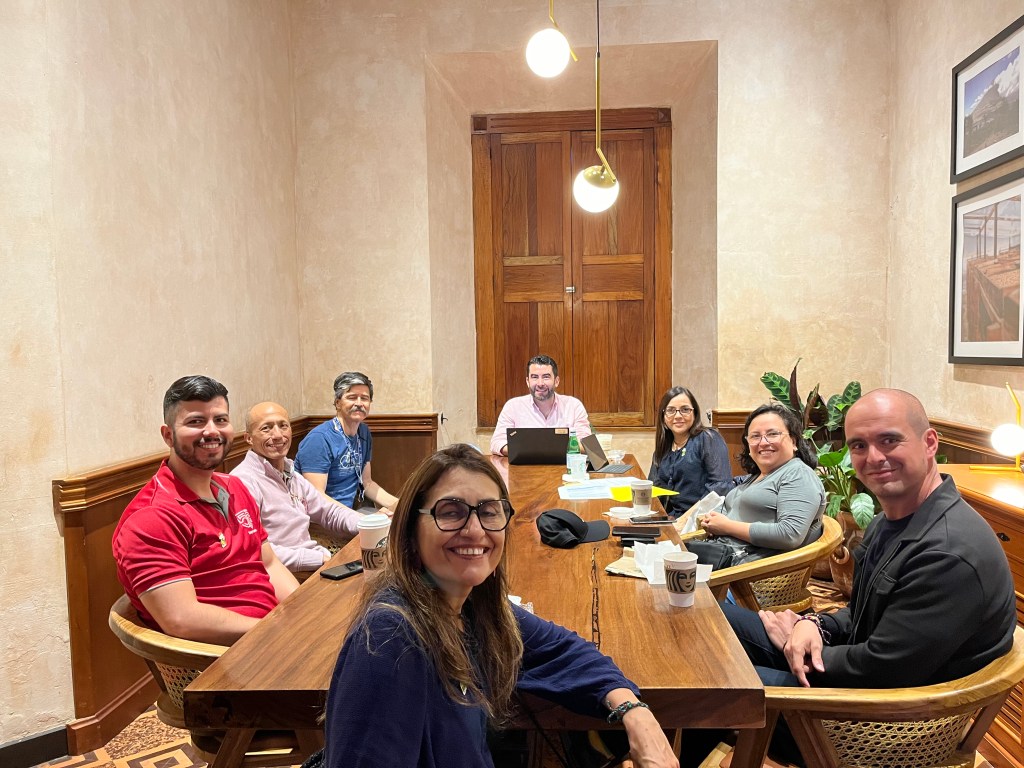
Thanks to a Global Innovation Grant from the American Chemical Society Committee on International Activities (IAC) was possible to organize the first ACS Faculty Advisors meeting from Latin America and the Caribbean. The event was held in the city of Antigua, Guatemala with the participation of Faculty Advisors from International Student Chapters in Guatemala, Costa Rica, Perú, Colombia, and Brazil.

The event was organized by Prof. Santiago Sandí (Pomona College & University of Costa Rica), Prof. Carol Guzmán (from Universidad de San Carlos in Guatemala), Dr. Gabriel Monzón and myself.

During the two-days event it was possible to look for new strategies to support the professional development of our student members, create a platform of Latin American and the Caribbean (LATAM+C) Faculty Advisors and build a network between our regional Student Chapters. Moreover, we had a space to present our Chapter goals, difficulties, growing strategies, and future perspectives.

Participation in the NMR Summer School at the Universidad Autónoma de Chihuahua

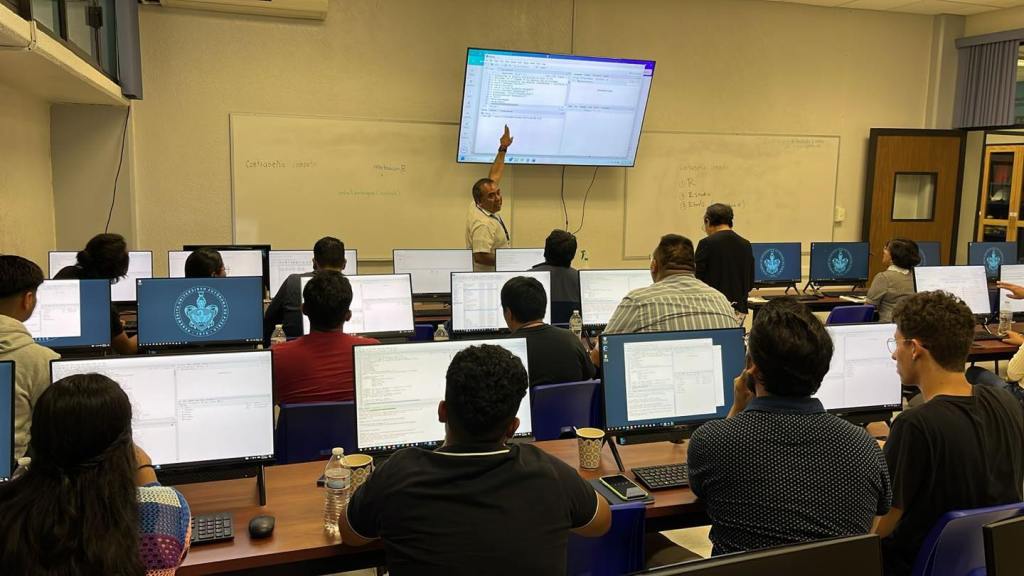
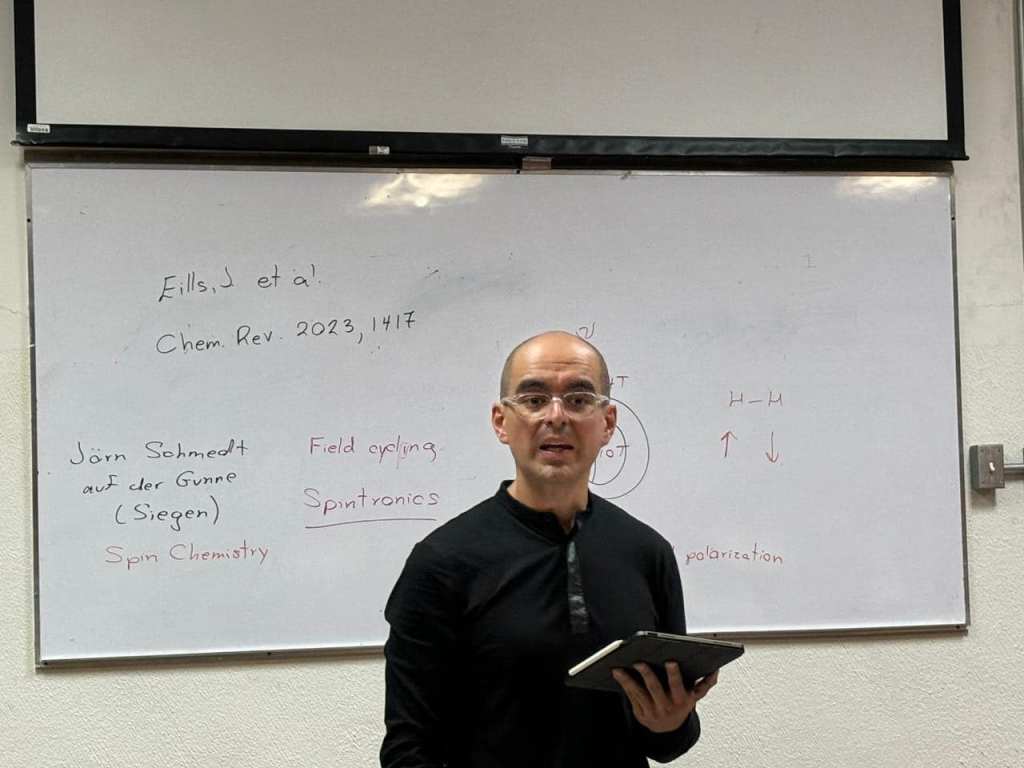
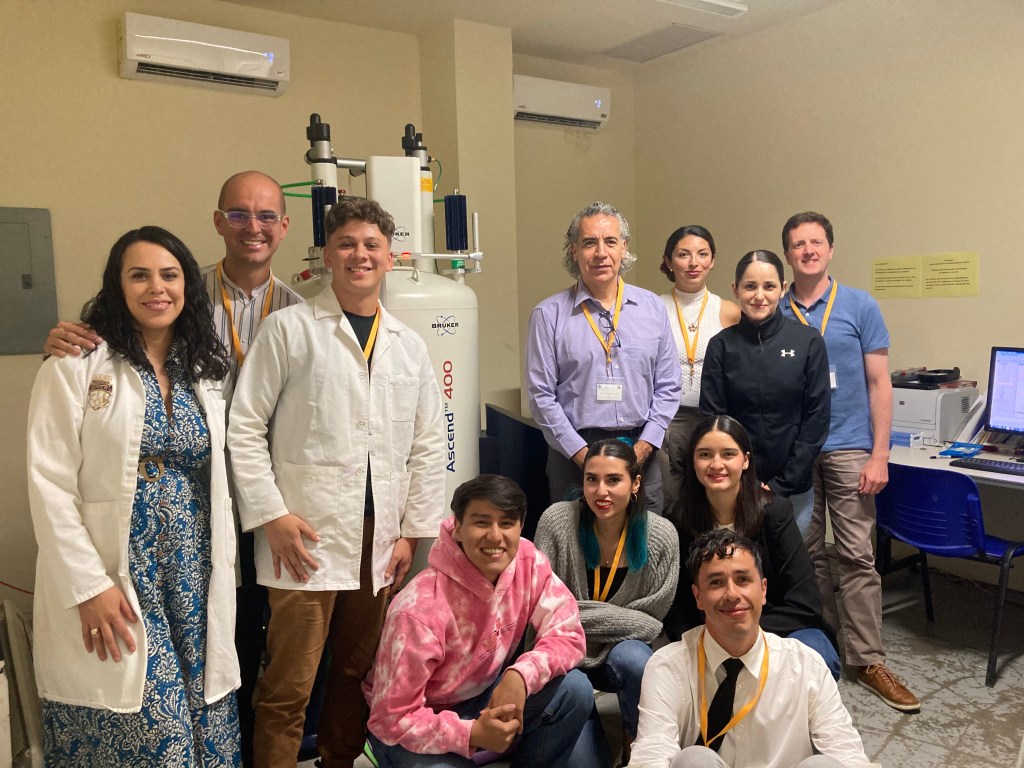
From July 19th to July 21st we participated at the NMR School, organized by Dr. Karla Ramírez and sponsor by Bruker, Anahuac, JEOL, and the Mexican Chemical Society. The event took place at the Facultad de Ciencias Químicas from Universidad Autónoma de Chihuahua (Mexico) and was focused on solid-state NMR. More than 30 persons enrolled in the school, from undergrad to phd students and faculty members. I was invited to give two lectures, related to the principles and applications on hyperpolarization methods in solid-state NMR.

The student Brandon Ortega-Cordero, majoring on Engineering Physics and member of my Research Group, enrolled and actively participated in the NMR School.

During the event we had the chance to interact with Prof. Ricardo Manriquez (Universidad de Guadalajara), Prof. Braulio Rodríguez-Molina (Universidad Nacional Autónoma de México), and Prof. José Enrique Herbert (Instituto Politécnico Nacional). We discussed about future collaborations, especially on NMR measurements, internships for our students, and the organization of new NMR schools and topics related. Last but not least, we had the great pleasure to talk with Dr. Gabriel Cuevas González-Bravo, President of the Mexican Chemical Society, looking for alternatives on how to promote science between our countries.

I would like to acknowledge Dr Karla Ramírez for her amazing organization and support before and during the event.

Participation in the II Summer School “Theory on NMR: Relaxation”

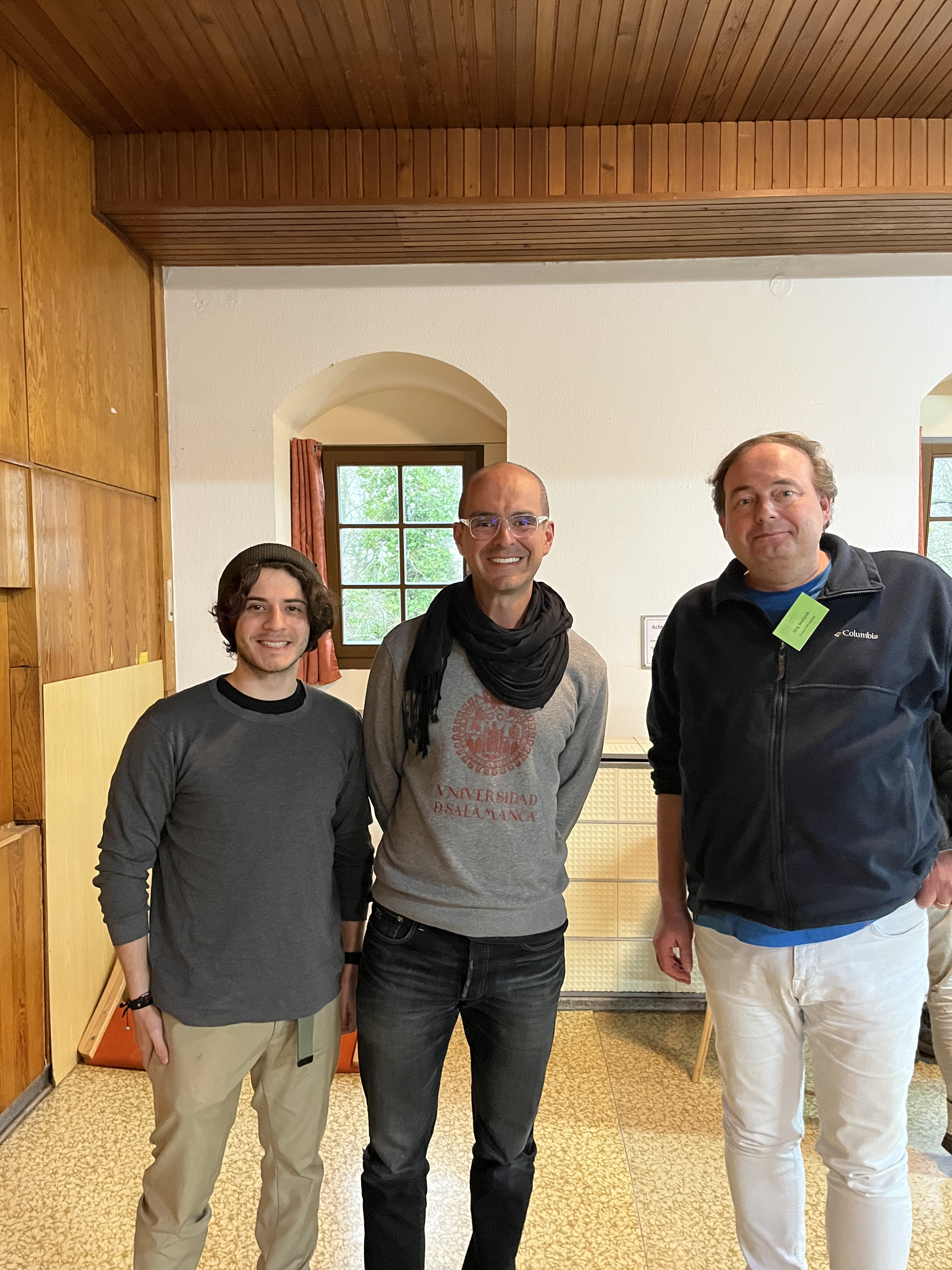
From March 26th to April 1st, our group member Andrés Borloz-Chinchilla and me, participated in the II Summer School Theory on NMR, in Windischleuba (Altenburg, Germany). The summer school was organized by Prof. Jörg Matysik (Universität Leipzig, Germany), with the support of the International Society of Magnetic Resonance (ISMAR). More than 45 attendees participated in the event, between PhD students, postdocs and professors, coming from more than 10 different countries. Mr. Borloz-Chinchilla and I were the only representatives from the Latin American region.

The main topic of the school was Relaxation, where we learned about quantum mechanic operators in NMR, Hilbert space, density operators, tensor products, Liouville space and super operators, and Redfield theory. During the school we had the opportunity to interact with professors like Matthias Ernst (ETH, Zürich), Amir Goldbourt (Tel Aviv University, Israel), and Christian Bengs (University of Southampton, UK), but also with many amazing PhD students and postdocs working in the NMR field. It was a great experience for connecting with colleagues and broaden our international network.

Finally, I would like to acknowledge Prof. Matysik for his amazing organization and support before and during the event, and to Vicerrectoría de Vida Estudiantil y Servicios Académicos (VIESA) at Tecnológico de Costa Rica for the travel scholarship to Mr. Borloz-Chinchilla.

Group visit to the 600 MHz NMR magnet at CIPRONA

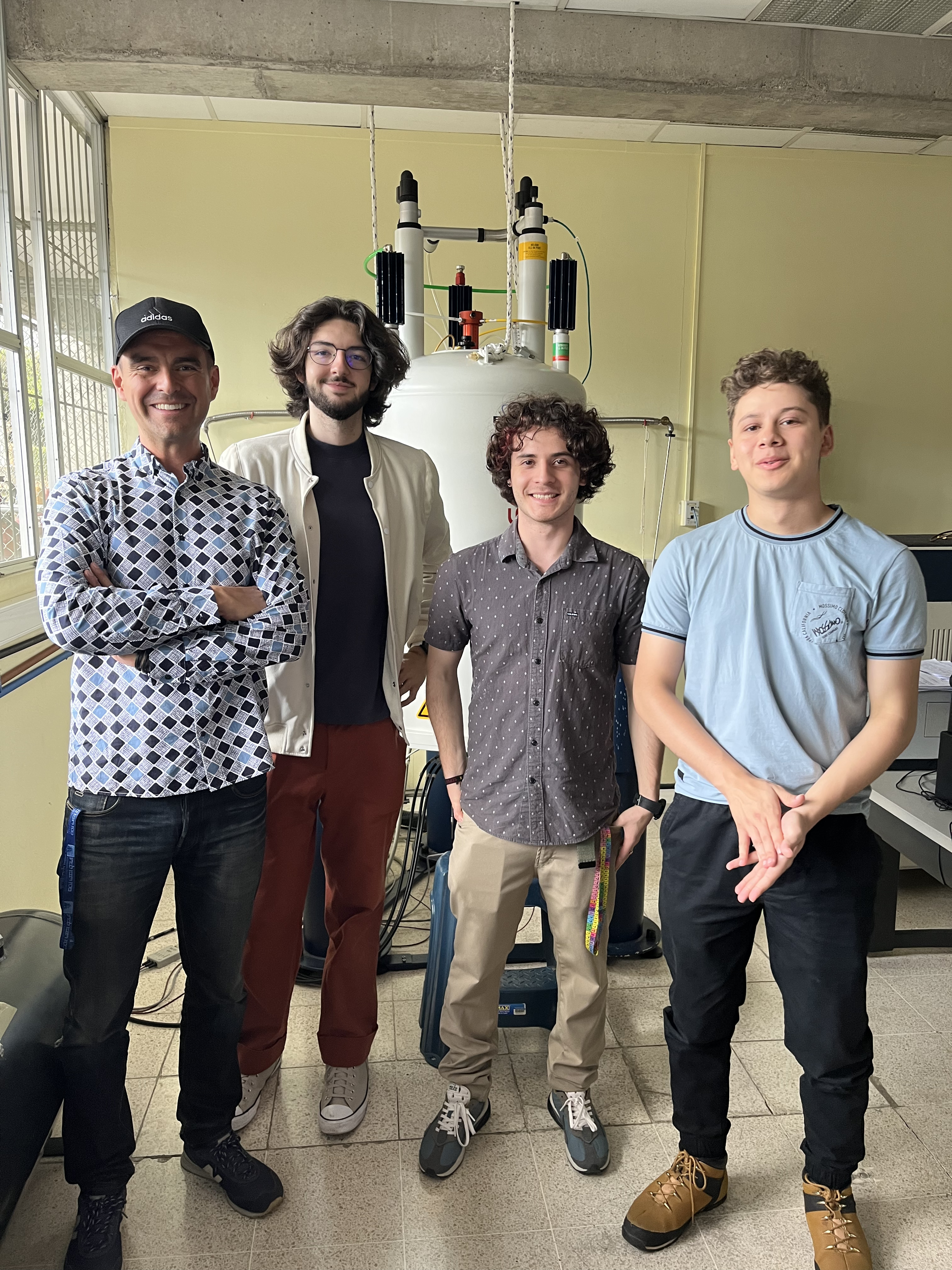
Some of the students of our research group visited the 600 MHz NMR facilities in the Research Center on Natural Products (CIPRONA) at the University of Costa Rica, where they had the opportunity to interact with the device, learn more about liquid-state probes and NMR hardware and develop some basic experiments with the TopSpin® software.

The three students are majoring in Physics Engineering at TEC and are working on low-field NMR. They want to develop different skills on spin dynamics using NMR.

I would like to thank Dr. Giselle Tamayo, CIPRONA Director, for her support to organize this visit and to Dr. Godofredo Solano, NMR specialist, for his time and explanations to the students.

At the CIPRONA 600 MHz NMR facilities. From left: Prof. Isaac Céspedes and the students Diego Wust, Andrés Borloz and Brandon Cordero

Invited talk at the Costa Rican Institute for Research and Teaching in Nutrition and Health

I was invited to give a talk at the Costa Rican Institute for Research and Teaching in Nutrition and Health (INCIENSA), a research center from the Costa Rican National Health Ministry, in charge of the public health, food quality control and epidemiological surveillance.

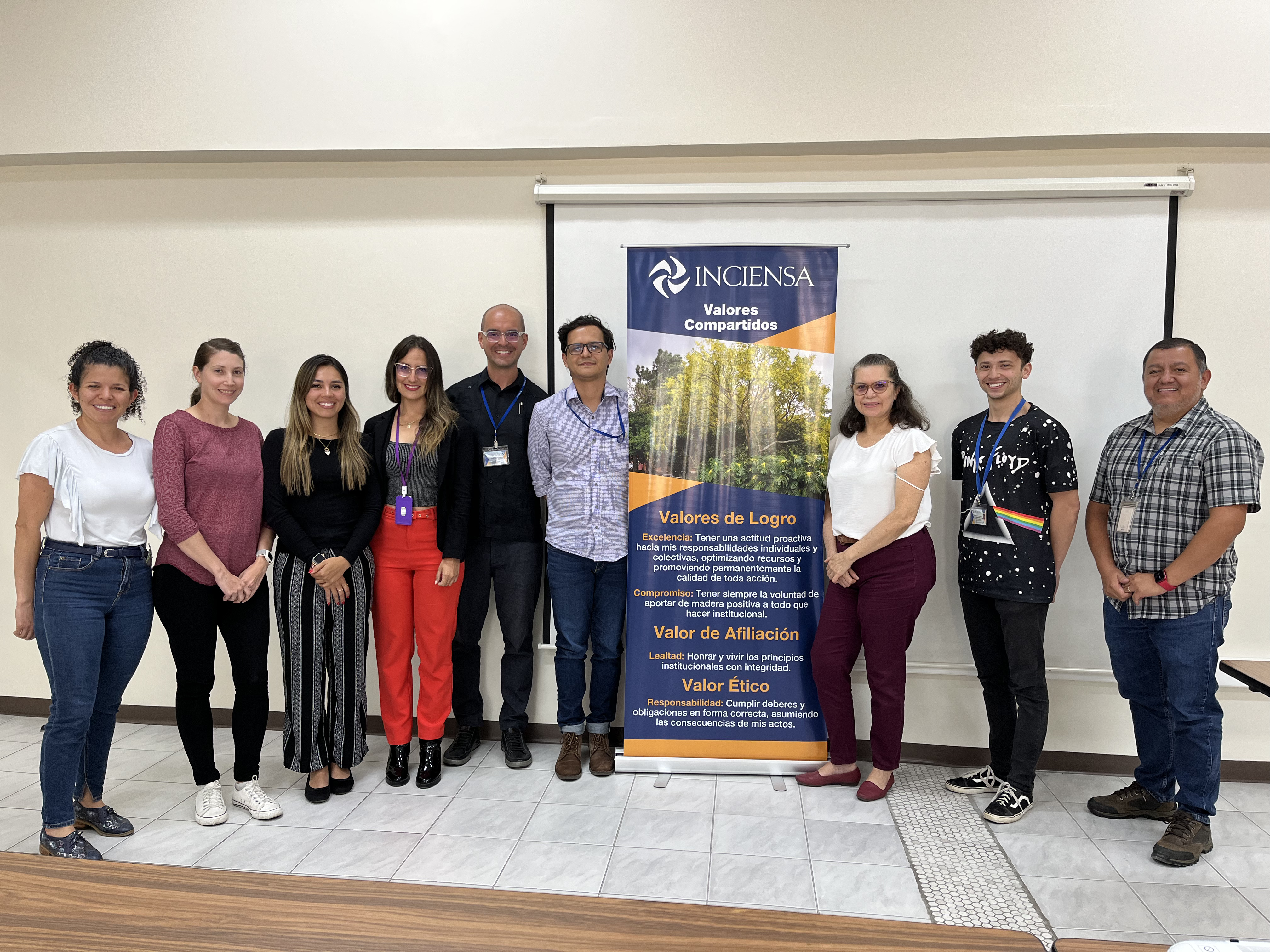
The purpose of the talk was to give an overview about the advantages (and disadvantages) of low-field NMR to the researchers and staff from the Food Science Department. After the talk, it was possible to discuss research ideas and possible collaborations between INCIENSA and my research group at TEC. Moreover, I had the opportunity to visit the labs and research facilities at INCIENSA.

I would like to thank Oscar Fernández, M.Sc. for his invitation and interest on my research topics and to Thelma Alfaro, Food Science Department Coordinator, for her support during my visit.

With the staff members and researchers from the Food Science Department at INCIENSA (Cartago, Costa Rica). Photo taken by the author

Invited speaker at the University of West Indies (UWI)

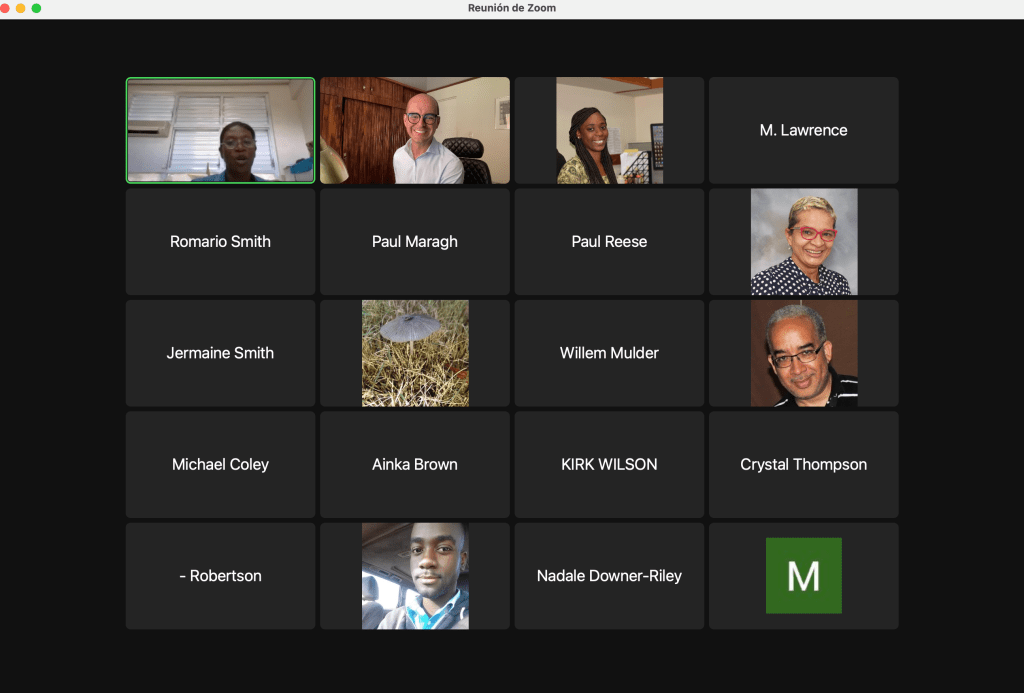
Last February 2nd I was invited to give a talk (virtual) in the seminars of the Department of Chemistry at the University of West Indies (Mona Campus, Kingston, Jamaica). The title of the talk was “Solid-state NMR: basics and applications of hyperpolarization methods“. We had more than 30 participants and a nice academic discussion afterwards.

The idea of the seminar was to give an overview of my field to the academic staff and graduate students, but also looking for possible collaborations between TEC and UWI.

I would like to acknowledge to Dr. Vaughn (Robin) Rattray for catalyze this activity and to Dr. Donna Minott Kates, Head of the Department, for the invitation as a seminar speaker.

If you would like to receive a copy of the presentation, please feel free to contact me.

Screenshot showing some of the seminar attendees (taken by the author)

Participation at the Costa Rican Chemistry Congress 2022

After more than 30 years, the first national chemistry conference in Costa Rica (Congreso Química 2022: Hacia el Desarrollo Sostenible) was organized by the School of Chemistry at TEC, University of Costa Rica (UCR), National University of Costa Rica (UNA) and the Costa Rican National Chemistry Association. From November 29th to December 1st, in the Aula Magna at UCR (San Pedro, San José), more than 200 chemists and students presented their main research lines. On this conference, I was part of the Scientific Committee and the TEC representative in the Executive Committee, and attended as a speaker.

I presented the oral communication “Solid-state Nuclear Magnetic Resonance in Costa Rica: advances and perpectives“, together with my undergrad student Andrés Borloz-Chinchilla, where I showed what we have done in the last 6 years using the technique and what must be done to increase its applications.

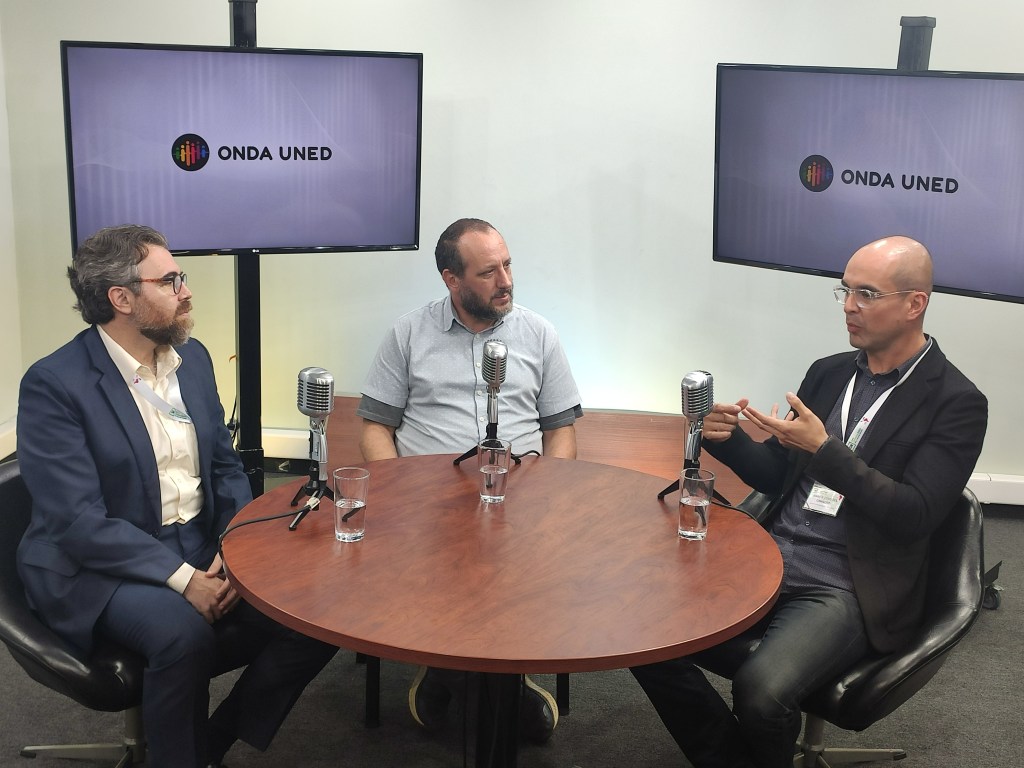
Finally, I was invited to the TV show Onda UNED where I had the chance to talk about science (e.g. batteries and energy storage) for a general public with other colleagues, but also about our experience and impressions about the chemistry congress.

The attendees at the Costa Rican Chemistry Congress (video taken by Diana Bökenfohr)

New tool for the group: a 60 MHz benchtop NMR

Thanks to the financial support of the Vicerrectoría de Investigación y Extensión (VIE) at TEC, it has been possible to adquire the first low-field NMR in Costa Rica and the region. The new device is a Spinsolve 60 MHz benchtop NMR from Magritek®, and it will be used in food science, polymer materials, and reaction monitoring of environmental processes. Moreover, this benchtop NMR will be used in academia, especially in the Organic Chemistry labs at TEC.

NMR has been extensively studied and used, but the access to the device is always limited in our countries. We hope this will change with the adquisition of the Spinsolve 60 MHz benchtop NMR at TEC, and that it will open new projects on the field. Our group main objective is to democratize and socialize this technique, so more students will have access to it.