Tag Archives: International Collaboration

New paper has been accepted and published online

As part of the bachelor’s thesis of the former student—and now Biotechnology Engineer—Isaac Peña-Romero, we analyzed polyphenols in strawberry leaves using both high-field NMR (750 MHz, Bruker) and benchtop NMR (60 MHz, Magritek). The findings validate the application of low-field NMR for profiling such compounds. Notably, the study highlights the potential of Fragaria × ananassa cultivars Marisol and Festival as promising sources of bioactive polyphenols.

This research was supported by Ley del Cemento N°9829 at Tecnológico de Costa Rica (TEC). It involved the collaboration of Prof. Fabián Villalta-Romero and Prof. Karla Salas-Arias from the Biotechnology Research Center at TEC, as well as Dr. Karla Ramírez-Gualito from Universidad Anáhuac, Mexico. This work is part of a broader initiative uniting research groups committed to democratizing access to NMR technology in Costa Rica and across the region.

The study was published in Pure and Applied Chemistry, the official journal of the International Union of Pure and Applied Chemistry (IUPAC), published by Walter de Gruyter. The journal is currently ranked Q3 in the Chemistry/Multidisciplinary category (Journal Citation Reports).

We warmly invite all interested readers to access and explore our publication. If you are unable to download the manuscript, please don’t hesitate to contact me.

Link: https://www.degruyterbrill.com/document/doi/10.1515/pac-2025-0475/html

New paper has been accepted and published online

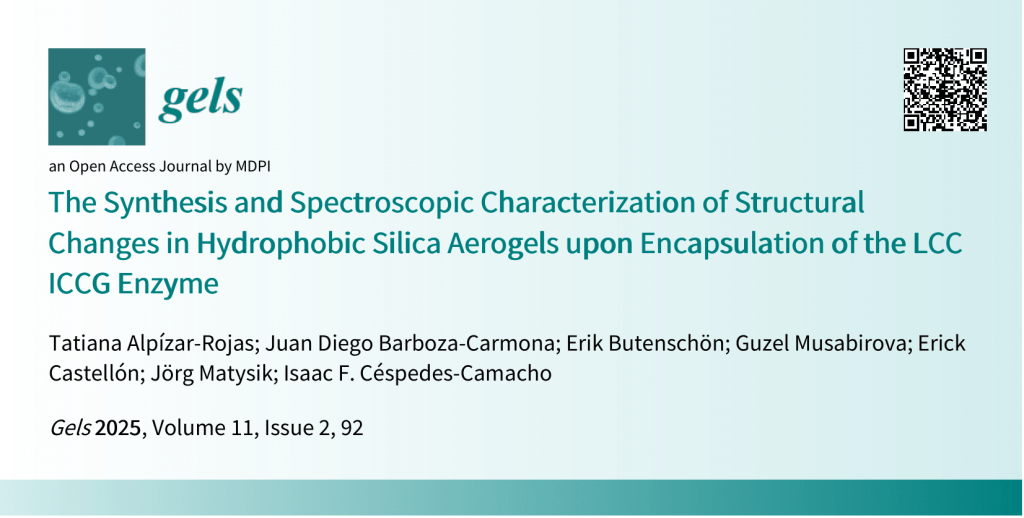
As part of an undergraduate research program funded by the Vicerrectoría de Investigación at Tecnológico de Costa Rica (TEC) and supported by the Centro de Investigación en Protección Ambiental (CIPA), our group is thrilled to announce the acceptance of a research paper in the journal Gels.

This study represents the work of Tatiana Alpízar-Rojas, a Materials Science Engineering student at TEC, who synthesized and characterized a hydrophobic silica aerogel as a carrier for a plastic degrading enzyme. Using a combination of advanced techniques—such as FT-IR, TEM, nitrogen sorption experiments, and 13C, 29Si, and hyperpolarized 129Xe NMR—the team demonstrated how the LCC ICCG enzyme can be successfully encapsulated within the aerogel. The findings show great potential for future environmental applications, particularly on microplastic pollution issues.

This research is the result of an excellent collaboration with Prof. Erik Castellón from the School of Chemistry at Universidad de Costa Rica and the group of Prof. Jörg Matysik from the Institut für Analytische Chemie at Universität Leipzig. Special thanks go to CIPA and the School of Chemistry at TEC for their invaluable support.

Gels is an open-access journal from MDPI, ranked in Q1 for polymer science, and we warmly invite anyone interested to access and explore our publication.

Link: https://www.mdpi.com/2310-2861/11/2/92

Participation in the ACS Latin American Leadership Summit 2024 and the II LATAM+C Faculty Advisors Meeting

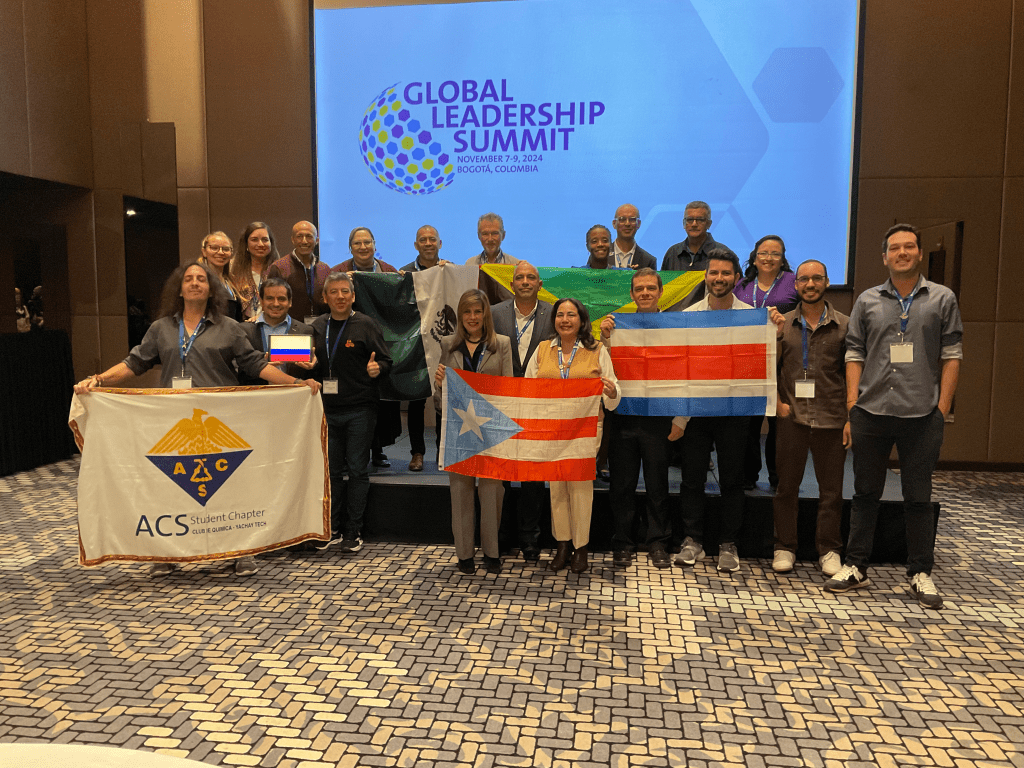
From November 7th to November 11th, I participated in the Latin American Leadership Summit hold in the city of Bogota, Colombia. The summit was organized by the International Activities Committee (IAC) from the American Chemical Society, where more than 60 people people from 9 different countries actively participated. I attended as Faculty Advisor of the ACS International Student Chapter Synergy from Tecnológico de Costa Rica (TEC), together with the student member Cristian Nájera-Obando. On the summit I had the opportunity to present the talk entitled The Faculty Advisors Meeting. From Antigua to Bogotá: what we have done so far, where I showed the main results achieved thanks to the meeting in Antigua last year (i.e., student exchange, access to University facilities, international conference attendance for Latin American students). On the summit it was possible to interact with student leaders from the region, trying to connect our International Chapters and working together to develop our strategic plans.

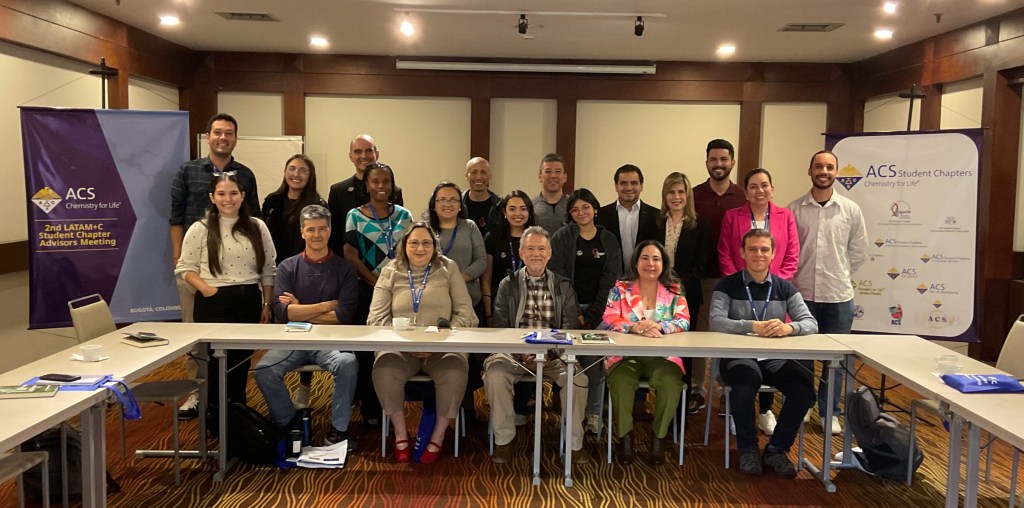
After the Leadership Summit, I attended the II Faculty Advisors Meeting, which brought together 19 Faculty Advisors from across Latin America and the Caribbean. I had the privilege of serving on the Organizing Committee alongside Prof. Rodrigo Rodríguez (Universidad Pedagógica Nacional, Colombia), Prof. Betty Galarreta (Pontificia Universidad Católica del Perú, Peru), and Prof. Maria da Conceição Ferreira de Oliveira (Universidade Federal do Ceará, Brazil). This meeting provided an excellent opportunity to engage in an informal and collaborative atmosphere, exploring ways to build stronger connections between our International Student Chapters to support the personal and professional development of students in our region. We also attended insightful talks on understanding and engaging with new generations and improving science communication. Exciting new projects are on the horizon in the coming months.

Academic visit to the Pontificia Universidad Católica del Perú

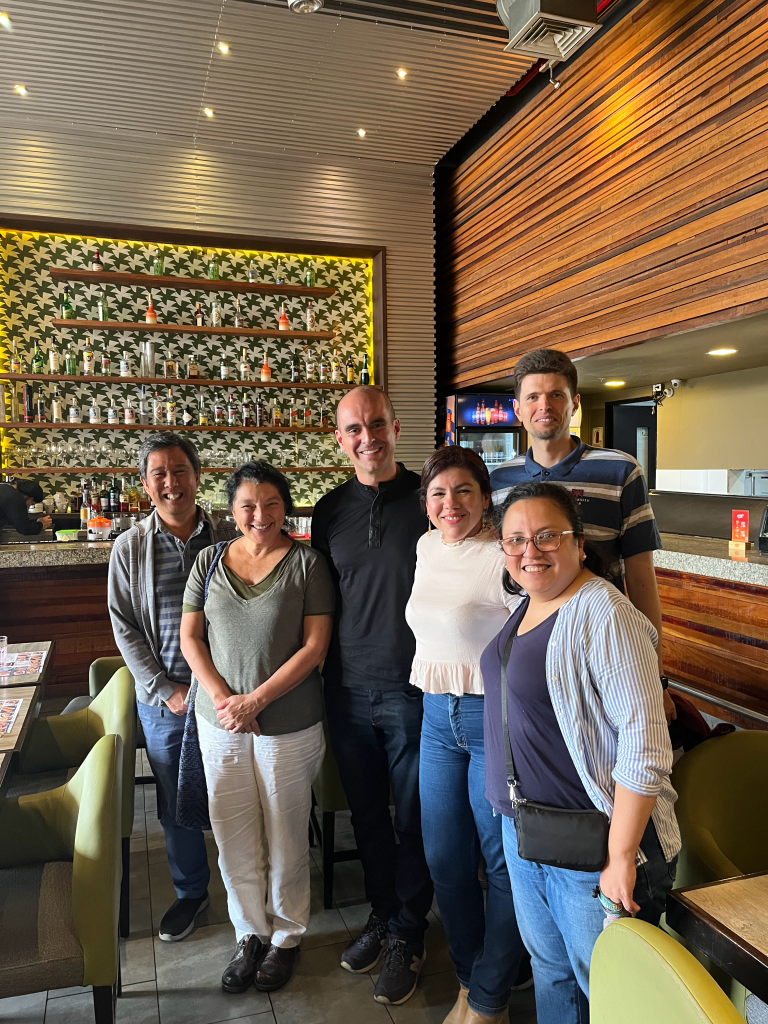
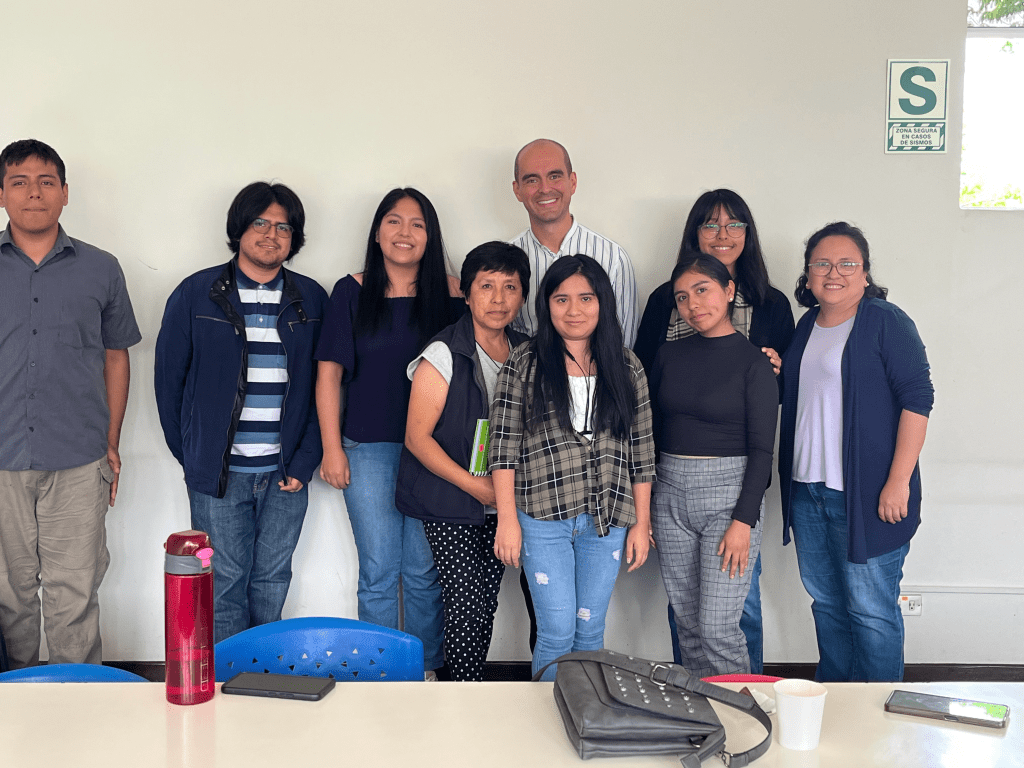
For 10 days. and thanks to the kind invitation of Prof. Betty Galarreta, I visited the Academic Department of Sciences (Chemistry Section) at the Pontificia Universidad Católica del Perú (PUCP) in Lima to present my current research, provide some insights about NMR methodologies, create academic collaborations between our universities, and interact with their ACS International Student Chapter.

A roundtable discussion was organized with undergrad students and academic staff, to talk about my academic formation and how I got connected with the NMR world. We talked about the importance of solid-state NMR and how it could be used in peruvian science and technology. After that, I had the opportunity to visit the Laboratory of Nuclear Magnetic Resonance at PUCP, and their 500 MHz Bruker magnet (first of its kind in the country). Prof. Helena Maruenda-Castillo, head of the lab, introduced me with their research lines and future perspectives.

Moreover, I presented the talk entitled Hyperpolarization phenomena in Nuclear Magnetic Resonance where I showed how to improve the signal enhancement in our NMR experiments. Also, I talked about low-field NMR and how useful are the new benchtop NMR for academia and research.

Finally, I had the opportunity to meet with the members of the ACS International Student Chapter at PUCP to discuss about collaborations between our chapters and the options of international internships, trying to meet one of the milestones from the last ACS International Faculty Advisors Meeting.

I had the chance to talk with most of the professors at the Department, looking for possible collaborations in NMR methodologies, material science development, and student internships. I am confident that successful projects will come after this fruitful visit.

Participation in the first ACS Faculty Advisors meeting from LATAM+C

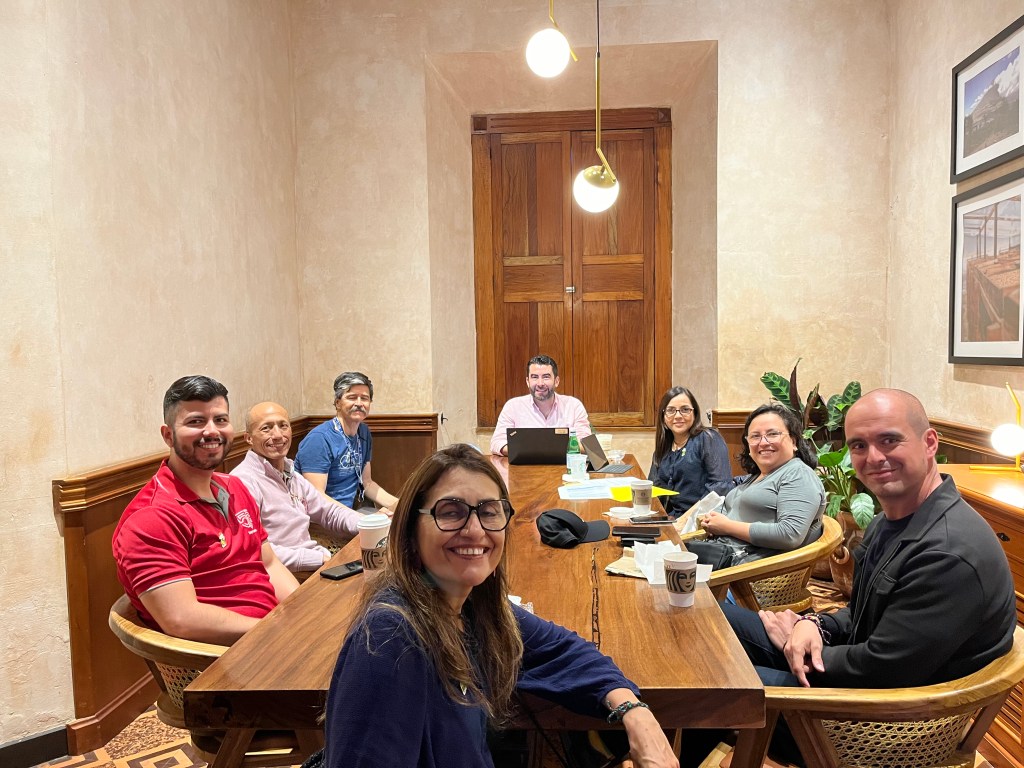
Thanks to a Global Innovation Grant from the American Chemical Society Committee on International Activities (IAC) was possible to organize the first ACS Faculty Advisors meeting from Latin America and the Caribbean. The event was held in the city of Antigua, Guatemala with the participation of Faculty Advisors from International Student Chapters in Guatemala, Costa Rica, Perú, Colombia, and Brazil.

The event was organized by Prof. Santiago Sandí (Pomona College & University of Costa Rica), Prof. Carol Guzmán (from Universidad de San Carlos in Guatemala), Dr. Gabriel Monzón and myself.

During the two-days event it was possible to look for new strategies to support the professional development of our student members, create a platform of Latin American and the Caribbean (LATAM+C) Faculty Advisors and build a network between our regional Student Chapters. Moreover, we had a space to present our Chapter goals, difficulties, growing strategies, and future perspectives.

Invited speaker at the University of West Indies (UWI)

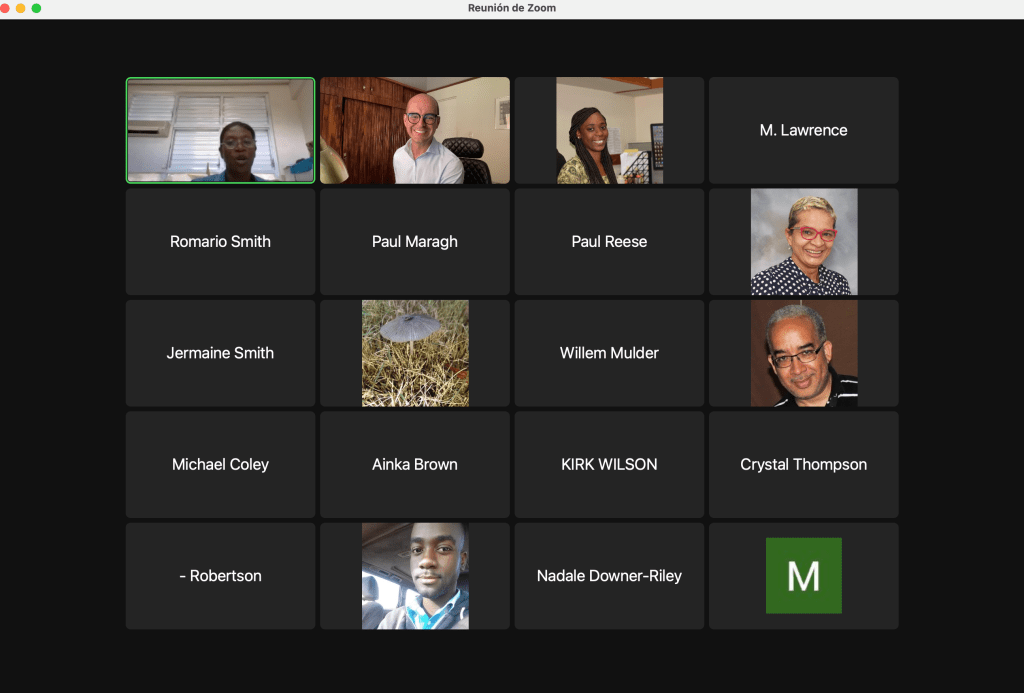
Last February 2nd I was invited to give a talk (virtual) in the seminars of the Department of Chemistry at the University of West Indies (Mona Campus, Kingston, Jamaica). The title of the talk was “Solid-state NMR: basics and applications of hyperpolarization methods“. We had more than 30 participants and a nice academic discussion afterwards.

The idea of the seminar was to give an overview of my field to the academic staff and graduate students, but also looking for possible collaborations between TEC and UWI.

I would like to acknowledge to Dr. Vaughn (Robin) Rattray for catalyze this activity and to Dr. Donna Minott Kates, Head of the Department, for the invitation as a seminar speaker.

If you would like to receive a copy of the presentation, please feel free to contact me.

Screenshot showing some of the seminar attendees (taken by the author)

International visit at the University of Central Florida

Some days ago, I visited my colleague and collaborator Prof. Melanie Beazley at the University of Central Florida (UCF) in Orlando. The purpose of the visit was to strengthen the collaborations between our institutions and research groups.

At the same time, I also visited the UCF Environmental Health and Safety Department. Two students from Tecnológico de Costa Rica (majoring in Occupational Safety and Environmental Hygiene) joined me, because they would like to do an internship at UCF and establish some academic and professional collaborations.

I am very happy and optimistic about the contacts done and the possibilities that will come thanks to this visit.

With Prof. Beazley and two TEC students (Daniel Montero and Álvaro Montero) in front of the Physical Science Building at UCF. Photo taken by the author.