Tag Archives: Networking

Participation in the III ACS LatAm+C Faculty Advisors Meeting

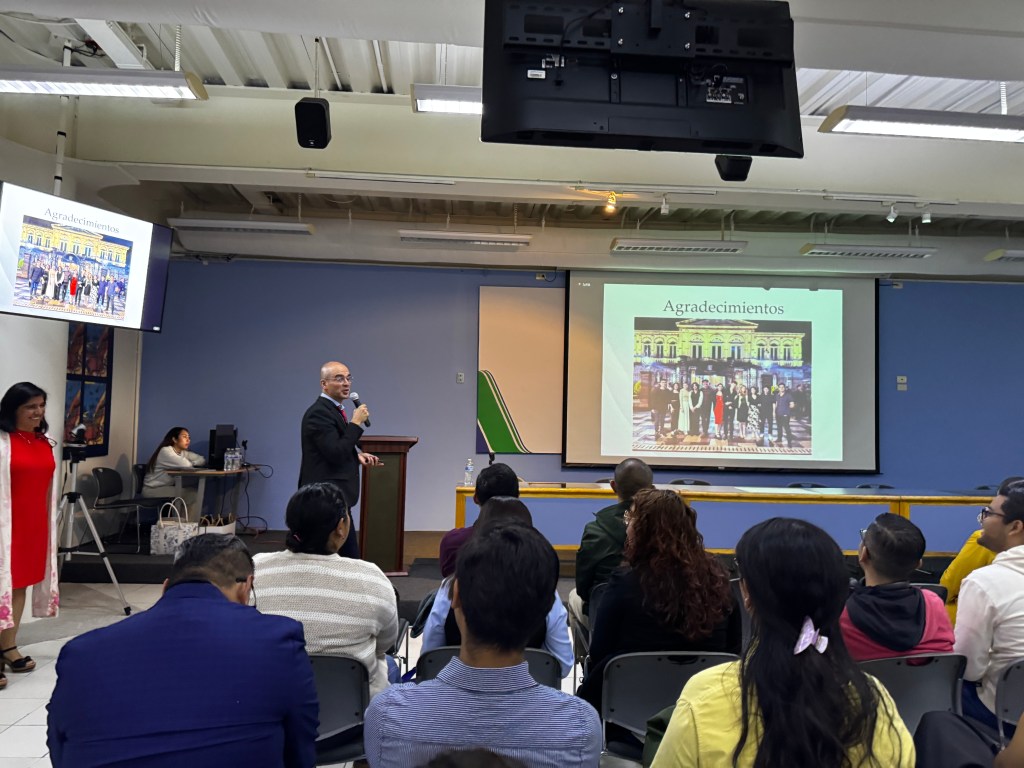
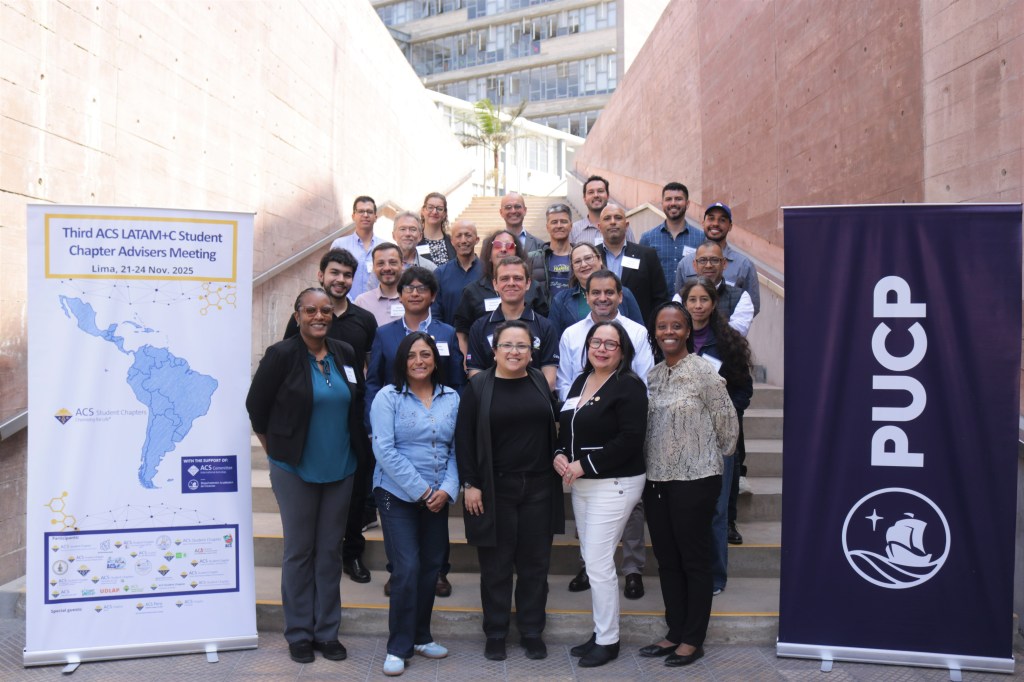
As part of the Organizing Committee and Faculty Advisor of the ACS International Student Chapter at Tecnológico de Costa Rica, I had the opportunity to participate in the III ACS Latin America and the Caribbean Faculty Advisors Meeting. The event took place in Lima, at the Pontificia Universidad Católica del Perú, from November 21st to 24th. The meeting brought together 21 Faculty Advisors from Chile, Peru, Brazil, Costa Rica, Mexico, Colombia, Ecuador, Puerto Rico, Trinidad, and Jamaica.

The aim of the event was to create a space for a better understanding of our roles as Faculty Advisors, the challenges faced within Student Chapters, and the strategies available to better support our students. In addition, we had the honor of welcoming the ACS President, Dr. Rigoberto Hernández, and other ACS staff members. Funding opportunities and international networking were key topics discussed throughout the meeting.

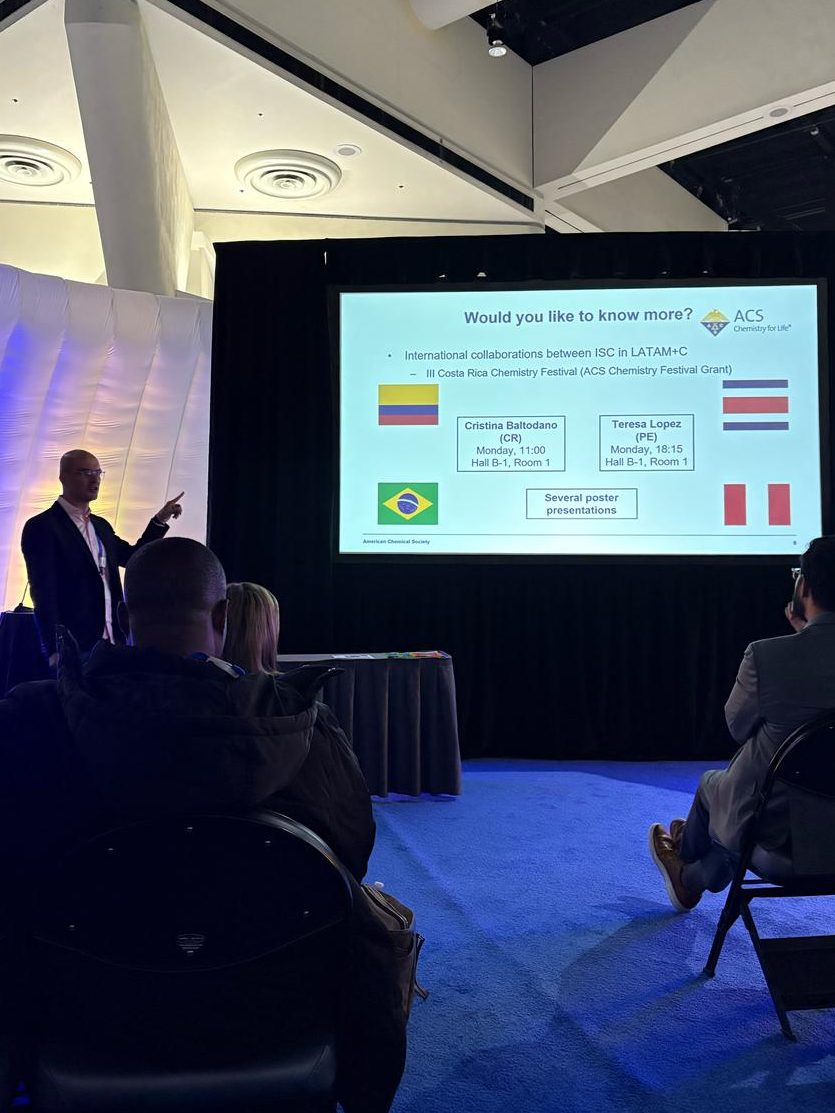
During the event, I delivered a presentation titled Successful networking stories between our Chapters. In this talk, I highlighted internship experiences developed among Latin American ACS International Student Chapters, explained how these collaborations were initiated, and described the logistics involved in making them possible.
Invited speaker at the 11th Experimental NMR Meeting

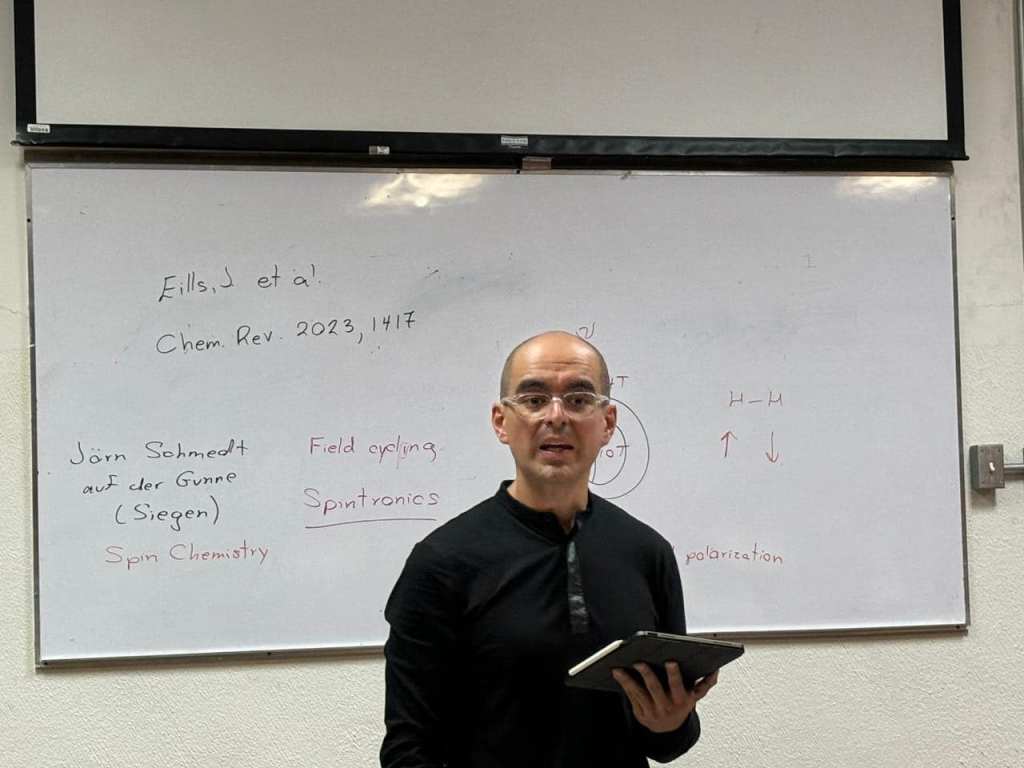
I was honored to accept an invitation from the Mexican Society on Nuclear Magnetic Resonance (SOMERMN) to present the Plenary Lecture at the 11th Experimental NMR Meeting. The event took place at the Universidad Veracruzana in Xalapa on August 28th and 29th.

The lecture entitled Hyperpolarization Phenomena, offered a comprehensive overview of the field, including the fundamental theory, experimental implementation, and diverse applications of hyperpolarization techniques for NMR. I also gave a separate presentation showcasing my research group’s work on applying hyperpolarized 129Xe NMR to challenges in materials science.

The meeting was highly successful, bringing together more than 50 participants ranging from undergraduates to established professors and researchers. The success was driven not only by the quality of the speakers but also by vibrant poster sessions and the broad relevance of the topics covered. With support from sponsors like Bruker, JEOL, and Magritek, the meeting effectively delivered on its goal of providing both theoretical and practical NMR knowledge applicable across scientific disciplines.

Beyond the formal presentations, I enjoyed invaluable opportunities for academic exchange with the Mexican NMR community. It was a pleasure to speak with Dr. Roberto Gil, Editor-in-Chief of Magnetic Resonance in Chemistry, who expressed a strong commitment to supporting the region’s researchers. I am optimistic that these interactions will lead to significant future collaborations.

Finally, I wish to express my profound thanks to the Organizing Committee for their hospitality and for the outstanding program. My special appreciation goes to Dr. Armando Ariza Castolo for his effort and interest before, during and after the event.

During the plenary lecture at Universidad Veracruzana

Participation at the ACS Spring 2025 Meeting

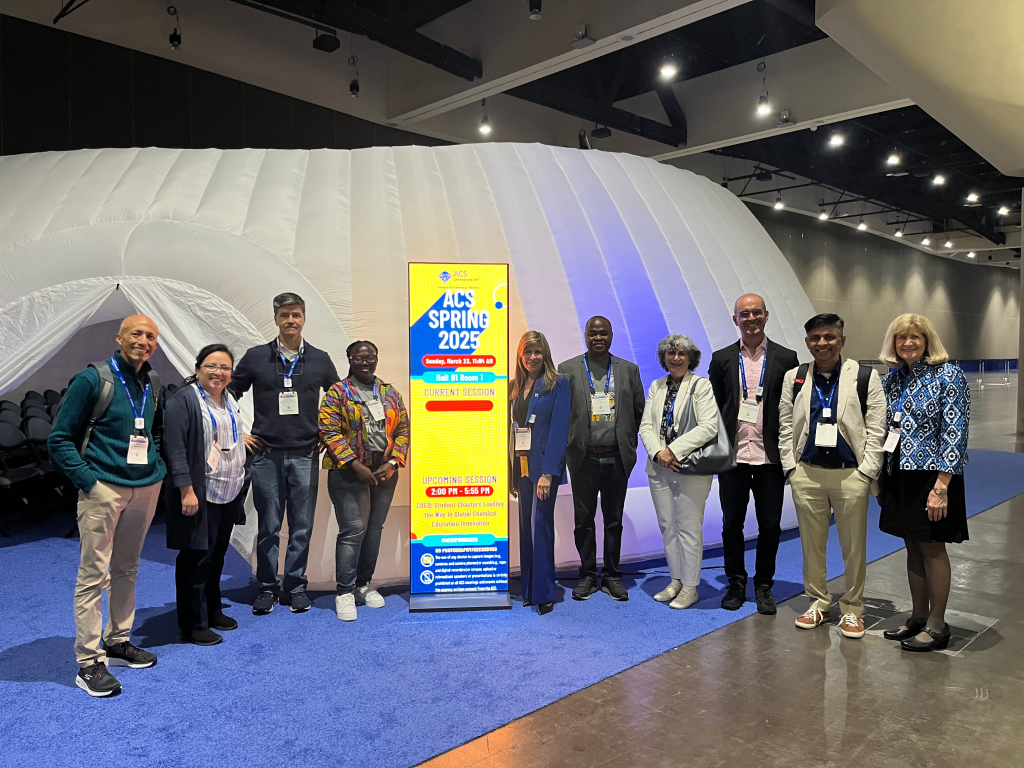
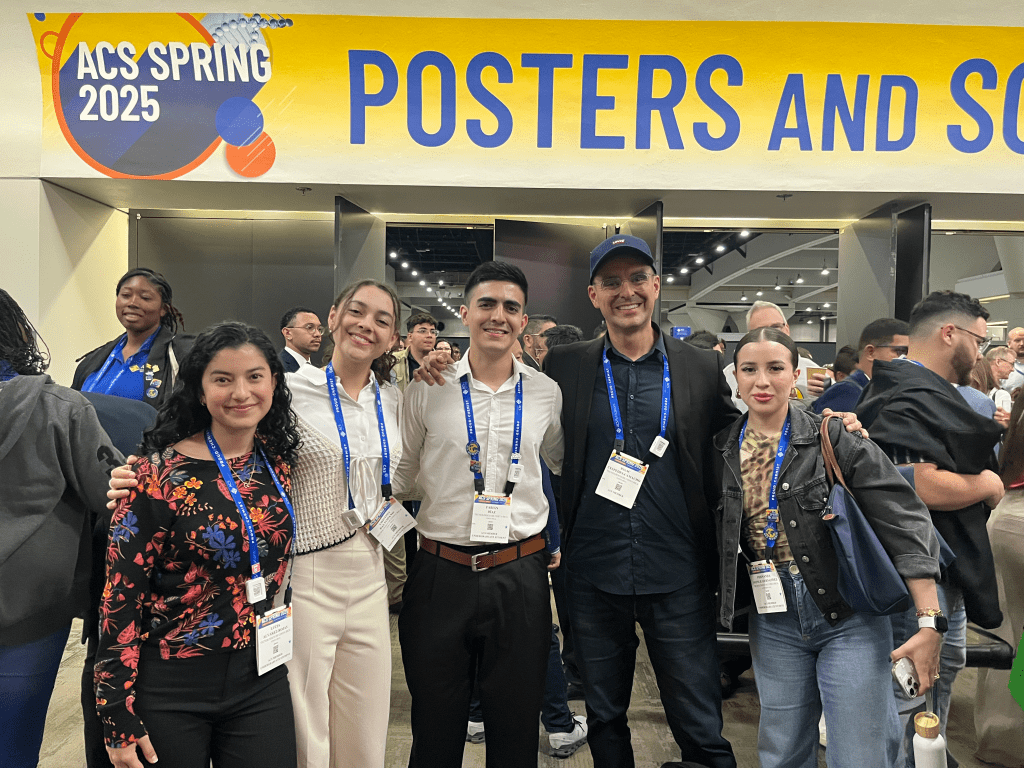
From March 23rd to 27th, I had the privilege of attending, presenting, and actively participating in the American Chemical Society (ACS) Spring 2025 Meeting in San Diego, California. I am deeply grateful to Oficina de Becas at Tecnológico de Costa Rica for their financial support, as well as to the ACS Student Communities Professional Meeting Grant, which enabled two student members from the ACS TEC Synergy Student Chapter to join this incredible event.

As part of the Division of Chemical Education, I had the honor of co-organizing the symposium “Student Chapters Leading the Way in Global Chemical Education Innovation” alongside Prof. Santiago Sandí-Ureña, Prof. Betty Galarreta, and Prof. Ingrid Montes. During this symposium, I presented my talk, ACS LATAM Student Chapter Advisors Meeting: Strengthening Support for Faculty Advisors and Student Members. Additionally, I had the opportunity to preside over several sessions of the symposium “ACS Chemistry Festivals: A Global, Non-formal Chemistry Education Model: Rationale, History & Impact.”

A highlight of the conference was our ACS Student Chapter receiving the Commendable Award for our work during the 2023-2024 period—a testament to the dedication of our students. Beyond the formal program, I engaged in fruitful discussions with colleagues from Latin America, the U.S., Lebanon, and Ghana, paving the way for exciting future collaborations for both faculty and students.

Organization and participation in the II Costa Rica Chemistry Conference (CR24)

From July 23rd to July 26th, Costa Rica hosted the II Costa Rica Chemistry Conference (Chemistry: A Solution for Global Problems), supported by the Chemistry Departments of the five national public universities and the Colegio de Químicos de Costa Rica. The conference also received endorsement from the International Union of Pure and Applied Chemistry (IUPAC). It was held in the Auditorio Cora Ferro Calabrese at Universidad Nacional in Heredia, Costa Rica.

As President of the Scientific Committee, I am deeply grateful for the support of my colleagues and the other committees. Thanks to this collaboration, we surpassed the number of attendees from the previous conference, indicating that our event is gaining recognition both nationally and internationally.

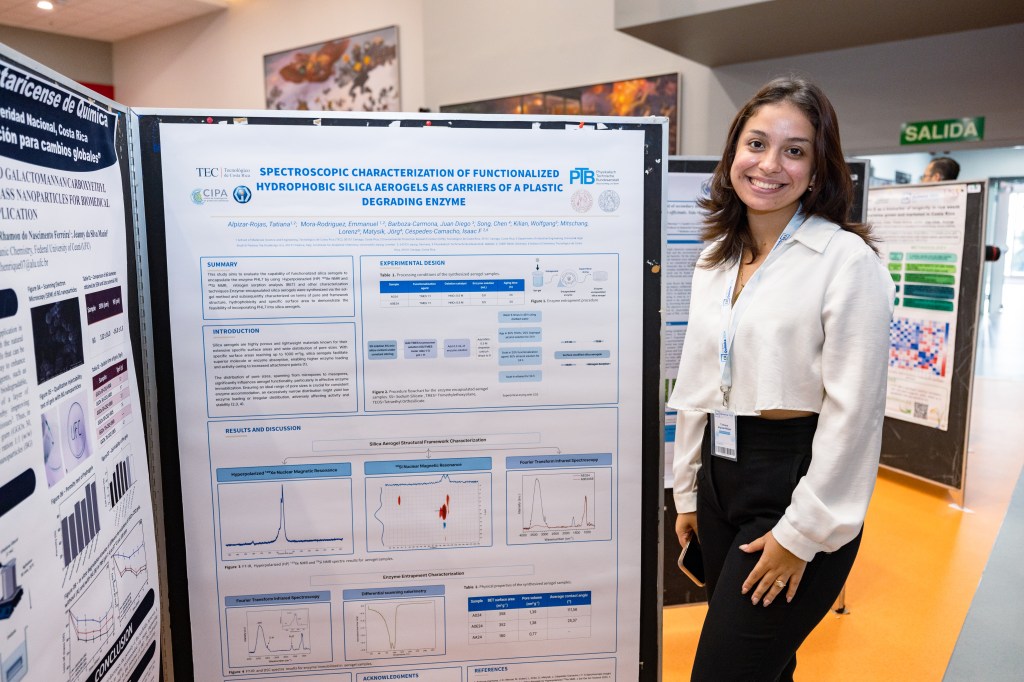
The conference was sponsored by ACS Publications and the Chemical Abstract Service (CAS), Bruker, JEOL, Magritek, Scanco, INBOX, and G&H Steinvorth. Also, this was the first time all plenary talks and most general talks were presented in English. The event featured international speakers from Brazil, Peru, Colombia, Mexico, USA, Canada, Germany, and Spain. We also welcomed many undergraduate and graduate students who presented oral communications or posters. For instance, Tatiana Alpízar-Rojas from my research group presented part of her work on aerogel/enzyme characterization. Additionally, I delivered an oral communication titled NMR Hyperpolarization Techniques in Costa Rica, showcasing our group’s achievements and ongoing projects.

I am pleased to announce that the III Costa Rica Chemistry Conference will be held at Tecnológico de Costa Rica in 2026. I invite everyone to save the date. We will work hard to organize an outstanding conference in Cartago, aiming to match or exceed the success of this year’s event.

Overview of the conference

Participation in the NMR School at the Benemérita Universidad Autónoma de Puebla

During the second week of July, I participated in the VII NMR School organized at the Benemérita Universidad Autónoma de Puebla (BUAP). I was invited to give a lecture titled An Introduction to hyperpolarization methods in liquid-state NMR, focusing on enhancing NMR signal sensitivity. This year, the school welcomed over 20 attendees, primarily master’s and PhD students, and received support from the International Society on Magnetic Resonance (ISMAR) for the first time.

Thanks to ISMAR’s financial support, grants were provided for international students. One beneficiary was Daniel Fernández-Rodríguez, a Costa Rican Engineering Physics student, who had the opportunity to attend.

This NMR School is unique in the region, being the only one for Spanish-speaking countries in Latin America that includes an experimental component. With support from Bruker, students worked with a 500 MHz magnet. The experimental sessions included:
i. Using NOAH supersequences for 2D experiments (Dr. Nicole Kruse),
ii. Applying NMR for quantification in food science (Dr. Carlos Amezcua),
iii. Analyzing NMR data in metabolomics (Dr. Raul Salas).

The international participation of both students and professors enriched the NMR School, combining theoretical NMR knowledge with hands-on experience and social activities, fostering connections and enhancing academic networks.

Participation in the NMR Summer School at the Universidad Autónoma de Chihuahua

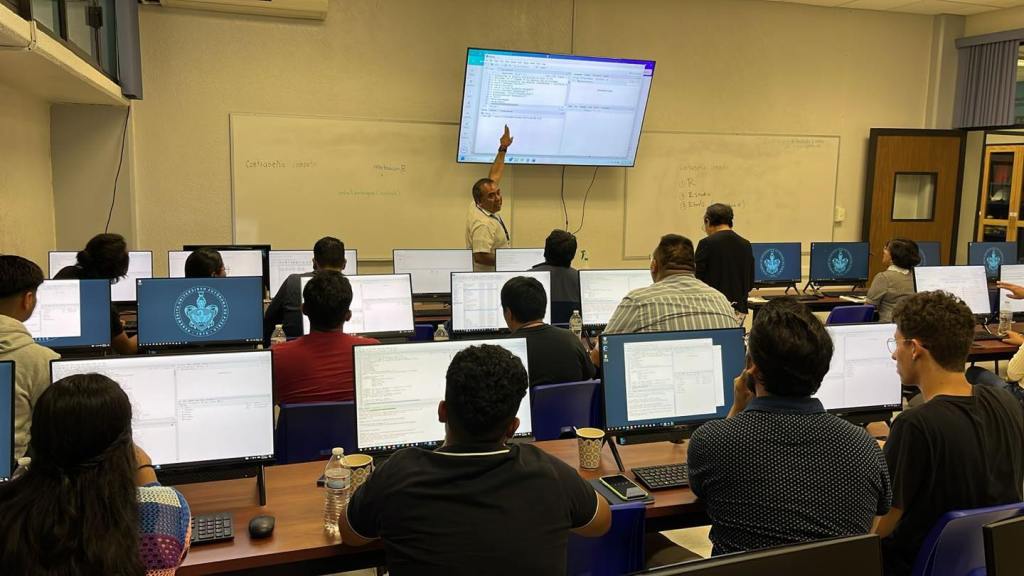
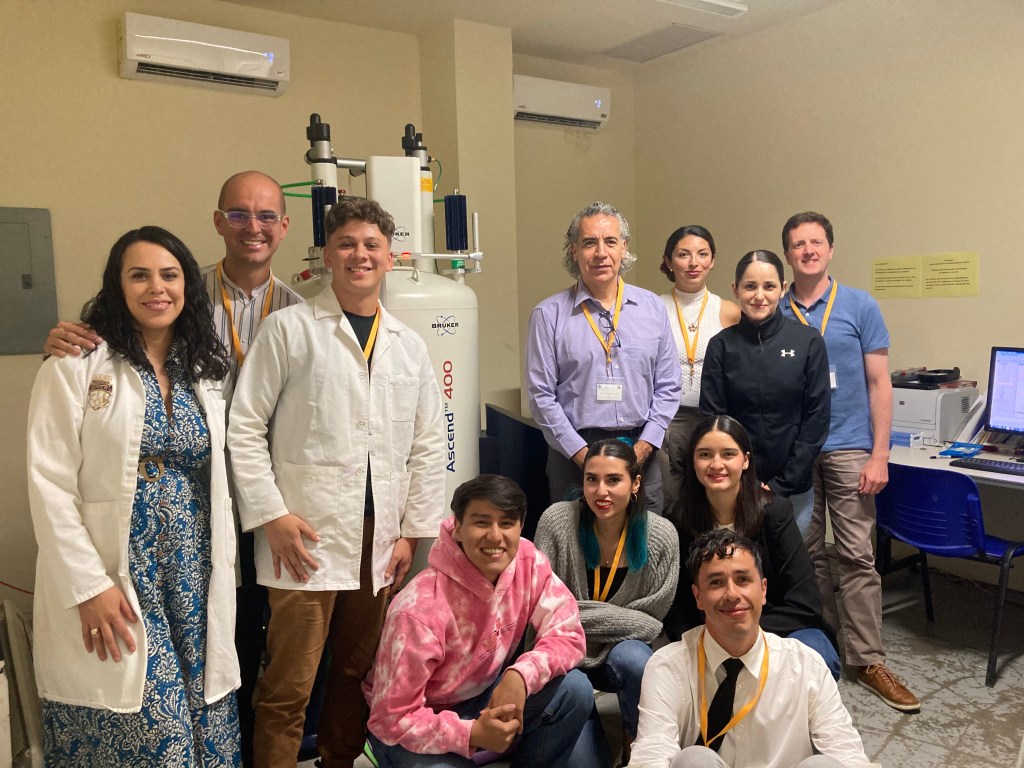
From July 19th to July 21st we participated at the NMR School, organized by Dr. Karla Ramírez and sponsor by Bruker, Anahuac, JEOL, and the Mexican Chemical Society. The event took place at the Facultad de Ciencias Químicas from Universidad Autónoma de Chihuahua (Mexico) and was focused on solid-state NMR. More than 30 persons enrolled in the school, from undergrad to phd students and faculty members. I was invited to give two lectures, related to the principles and applications on hyperpolarization methods in solid-state NMR.

The student Brandon Ortega-Cordero, majoring on Engineering Physics and member of my Research Group, enrolled and actively participated in the NMR School.

During the event we had the chance to interact with Prof. Ricardo Manriquez (Universidad de Guadalajara), Prof. Braulio Rodríguez-Molina (Universidad Nacional Autónoma de México), and Prof. José Enrique Herbert (Instituto Politécnico Nacional). We discussed about future collaborations, especially on NMR measurements, internships for our students, and the organization of new NMR schools and topics related. Last but not least, we had the great pleasure to talk with Dr. Gabriel Cuevas González-Bravo, President of the Mexican Chemical Society, looking for alternatives on how to promote science between our countries.

I would like to acknowledge Dr Karla Ramírez for her amazing organization and support before and during the event.

Participation in the II Summer School “Theory on NMR: Relaxation”

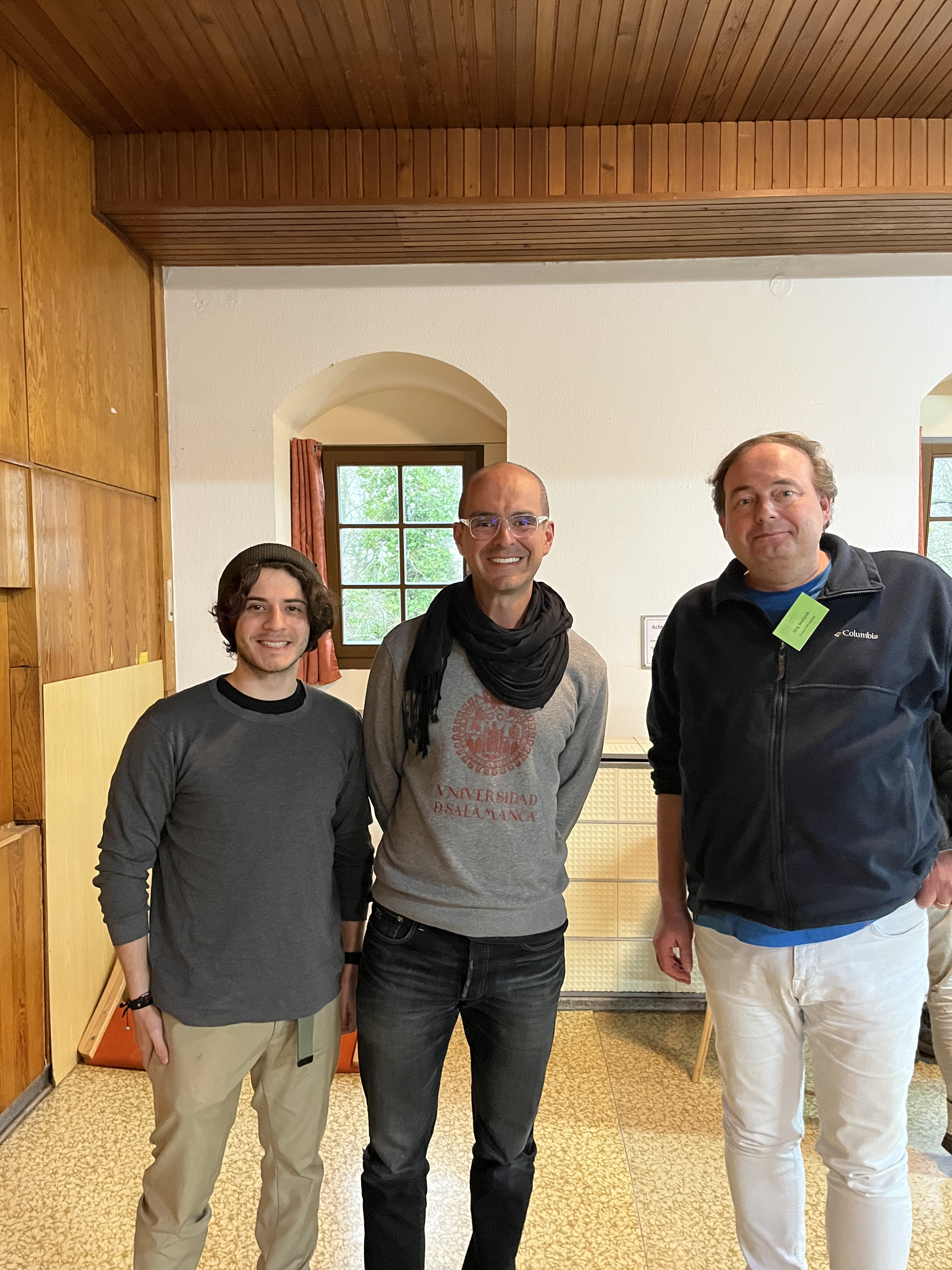
From March 26th to April 1st, our group member Andrés Borloz-Chinchilla and me, participated in the II Summer School Theory on NMR, in Windischleuba (Altenburg, Germany). The summer school was organized by Prof. Jörg Matysik (Universität Leipzig, Germany), with the support of the International Society of Magnetic Resonance (ISMAR). More than 45 attendees participated in the event, between PhD students, postdocs and professors, coming from more than 10 different countries. Mr. Borloz-Chinchilla and I were the only representatives from the Latin American region.

The main topic of the school was Relaxation, where we learned about quantum mechanic operators in NMR, Hilbert space, density operators, tensor products, Liouville space and super operators, and Redfield theory. During the school we had the opportunity to interact with professors like Matthias Ernst (ETH, Zürich), Amir Goldbourt (Tel Aviv University, Israel), and Christian Bengs (University of Southampton, UK), but also with many amazing PhD students and postdocs working in the NMR field. It was a great experience for connecting with colleagues and broaden our international network.

Finally, I would like to acknowledge Prof. Matysik for his amazing organization and support before and during the event, and to Vicerrectoría de Vida Estudiantil y Servicios Académicos (VIESA) at Tecnológico de Costa Rica for the travel scholarship to Mr. Borloz-Chinchilla.