Tag Archives: Nuclear Magnetic Resonance

Invited speaker at the 11th Experimental NMR Meeting

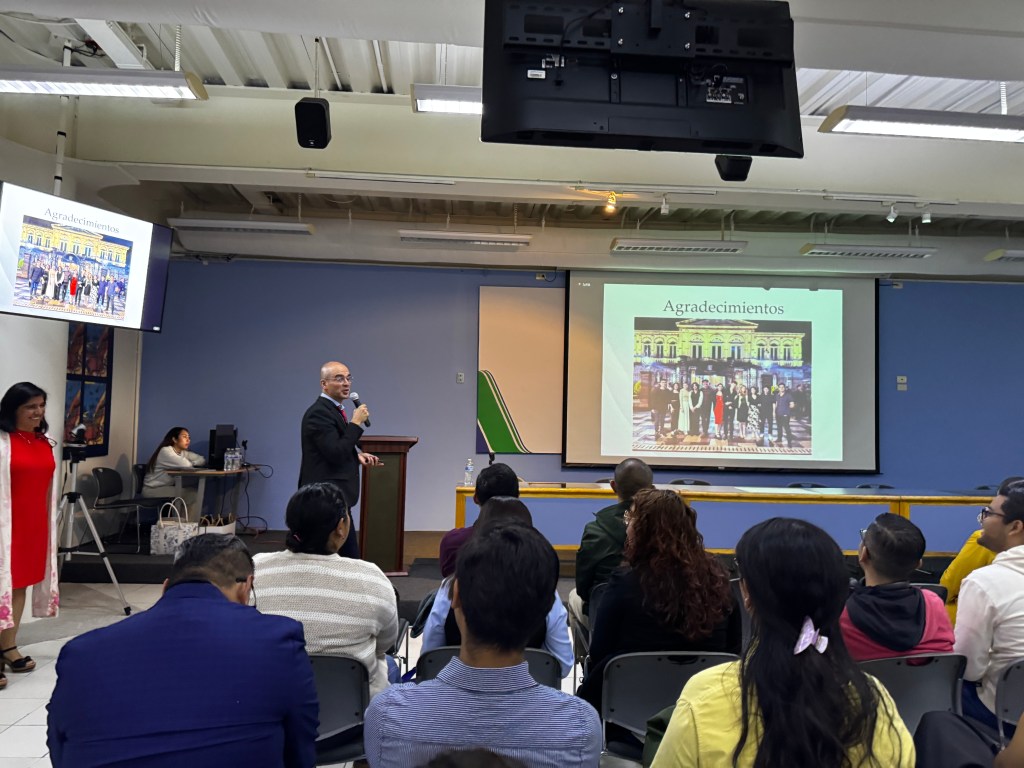
I was honored to accept an invitation from the Mexican Society on Nuclear Magnetic Resonance (SOMERMN) to present the Plenary Lecture at the 11th Experimental NMR Meeting. The event took place at the Universidad Veracruzana in Xalapa on August 28th and 29th.

The lecture entitled Hyperpolarization Phenomena, offered a comprehensive overview of the field, including the fundamental theory, experimental implementation, and diverse applications of hyperpolarization techniques for NMR. I also gave a separate presentation showcasing my research group’s work on applying hyperpolarized 129Xe NMR to challenges in materials science.

The meeting was highly successful, bringing together more than 50 participants ranging from undergraduates to established professors and researchers. The success was driven not only by the quality of the speakers but also by vibrant poster sessions and the broad relevance of the topics covered. With support from sponsors like Bruker, JEOL, and Magritek, the meeting effectively delivered on its goal of providing both theoretical and practical NMR knowledge applicable across scientific disciplines.

Beyond the formal presentations, I enjoyed invaluable opportunities for academic exchange with the Mexican NMR community. It was a pleasure to speak with Dr. Roberto Gil, Editor-in-Chief of Magnetic Resonance in Chemistry, who expressed a strong commitment to supporting the region’s researchers. I am optimistic that these interactions will lead to significant future collaborations.

Finally, I wish to express my profound thanks to the Organizing Committee for their hospitality and for the outstanding program. My special appreciation goes to Dr. Armando Ariza Castolo for his effort and interest before, during and after the event.

During the plenary lecture at Universidad Veracruzana

Group participation at the ACS National Meeting

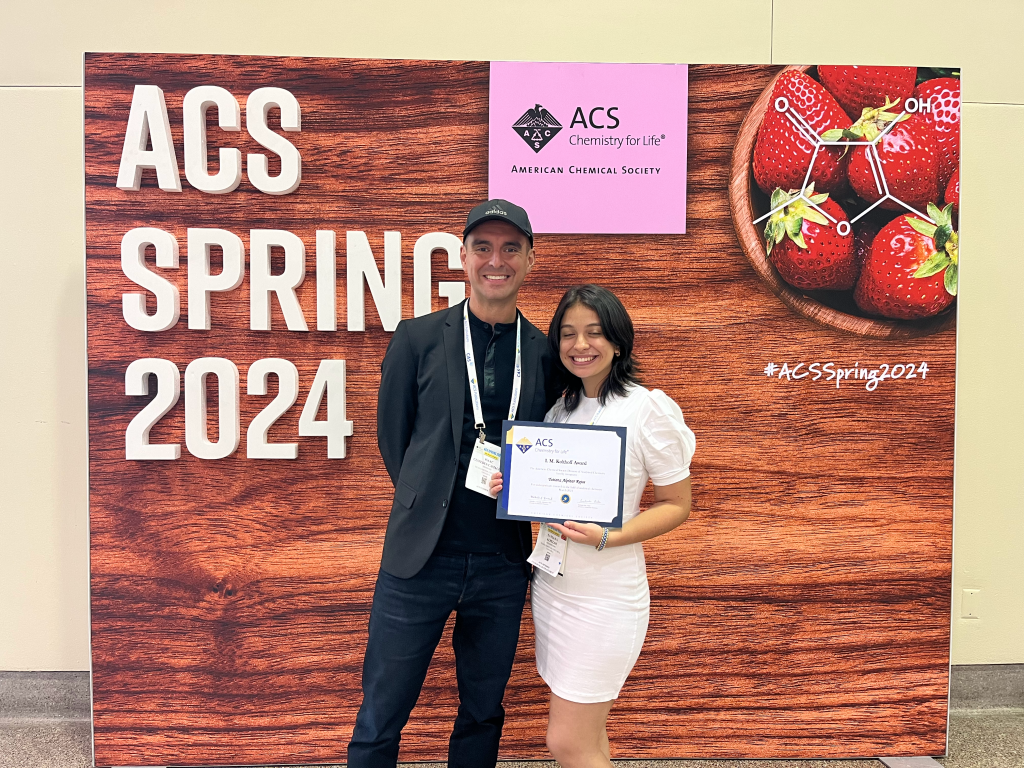
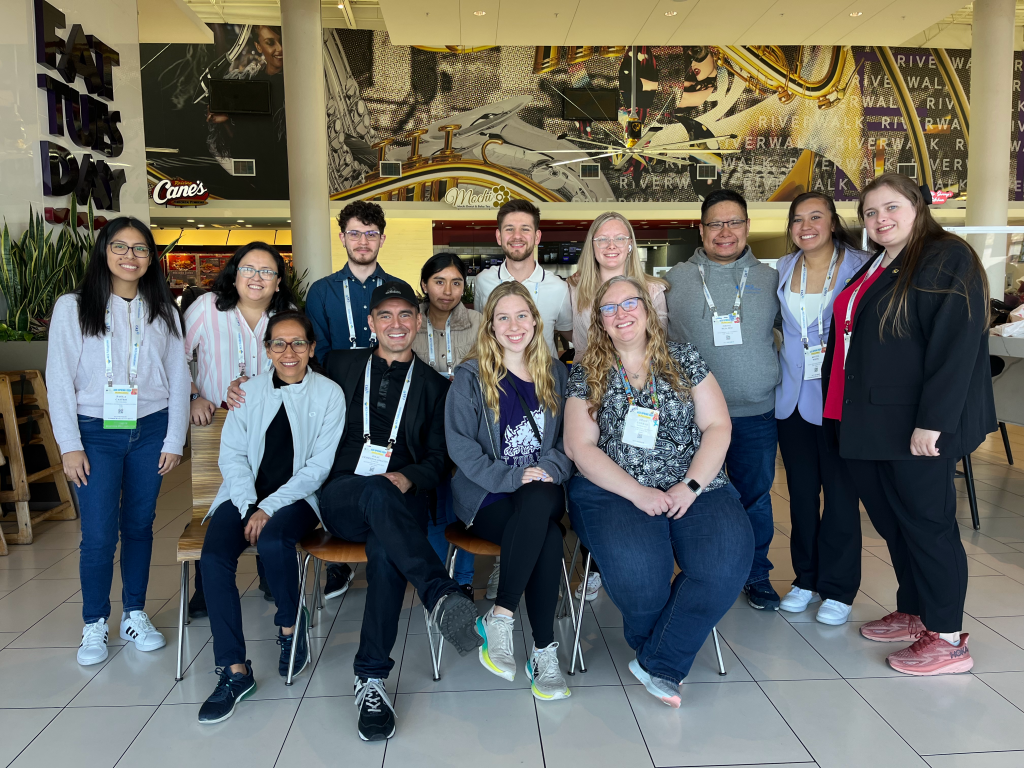
From March 17th to March 21st, three students from my research group (Tatiana Alpízar, Andrés Borloz and Andrés Rocha) and I attended the ACS Spring 2024 conference in New Orleans, USA. The students participation was made possible through the support of the Vicerrectoría de Vida Estudiantil y Servicios Académicos (VIESA) from Tecnológico de Costa Rica (TEC), as well as an ACS Student Communities Professional Meeting Grant.

During the conference I presented (Division of Chemical Education: societal issues) the talk entitled “Inclusive remote international poster sessions (iRIPS): an approach for student inclusion and diversity at ACS meetings“, with the main results and suggestions from the Global Innovation Grant project developed two years ago.

During the meeting we received great news: my student, Tatiana Alpízar-Rojas received the 2024 I. M. Kolthoff Award for her work entitled “Influence of functionalization agents on hydrophobic silica aerogel structural properties“, presented as a poster in the Division of Analytical Chemistry. Tatiana is the first Central American recipient of such award. A great honor for her and our working group!

Moreover, Andrés Rocha-Valverde presented a poster entitled “Hyperpolarized MRI techniques: a proposal for the Costa Rican national health system“, within the Division of Medicinal Chemistry. His presentation offered a comprehensive overview of his research on the use of hyperpolarized methods on the Costa Rican MRI services. Additionally, Andrés Borloz-Chinchilla gave an outstanding oral presentation entitled “Nuclear magnetic resonance in Costa Rica: a historical perspective“, within the Division of the History of Chemistry. This presentation was related to our recently accepted paper on the history of NMR in the country.

We had the chance to interact with members from ACS Publications as well as students and Faculty Advisors from several ACS Student Chapters. Additionally, we initiated several discussions for potential collaborations aimed at supporting student internships and the design and development of a hyperpolarizer in Costa Rica.

Academic visit to the Pontificia Universidad Católica del Perú

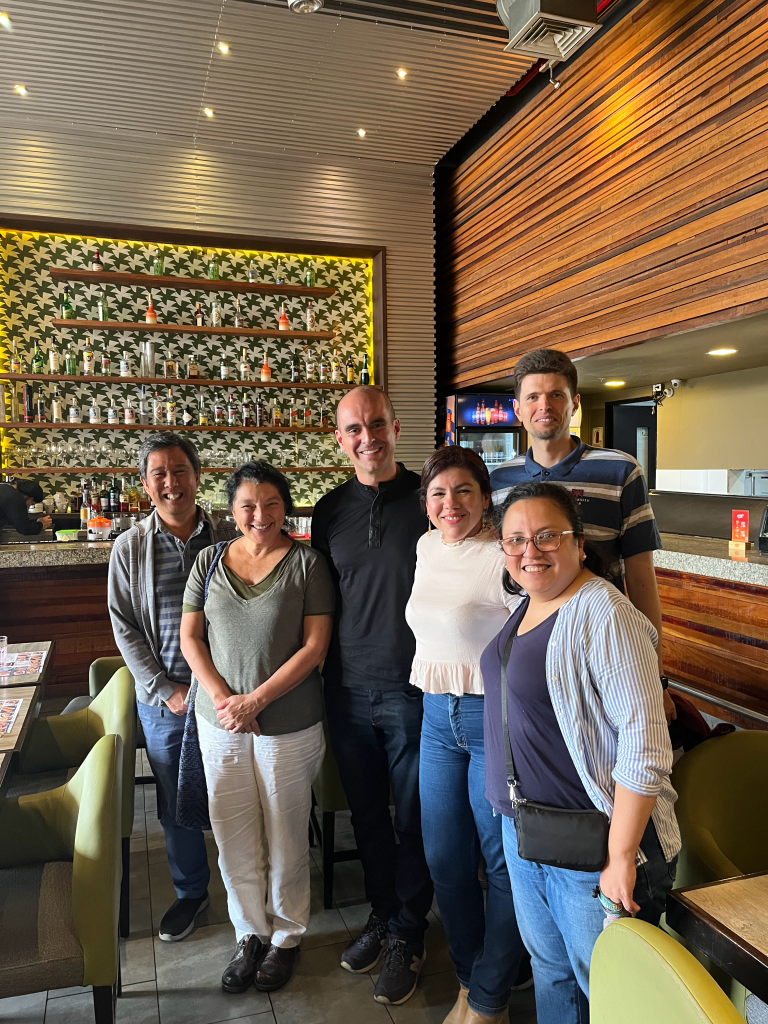
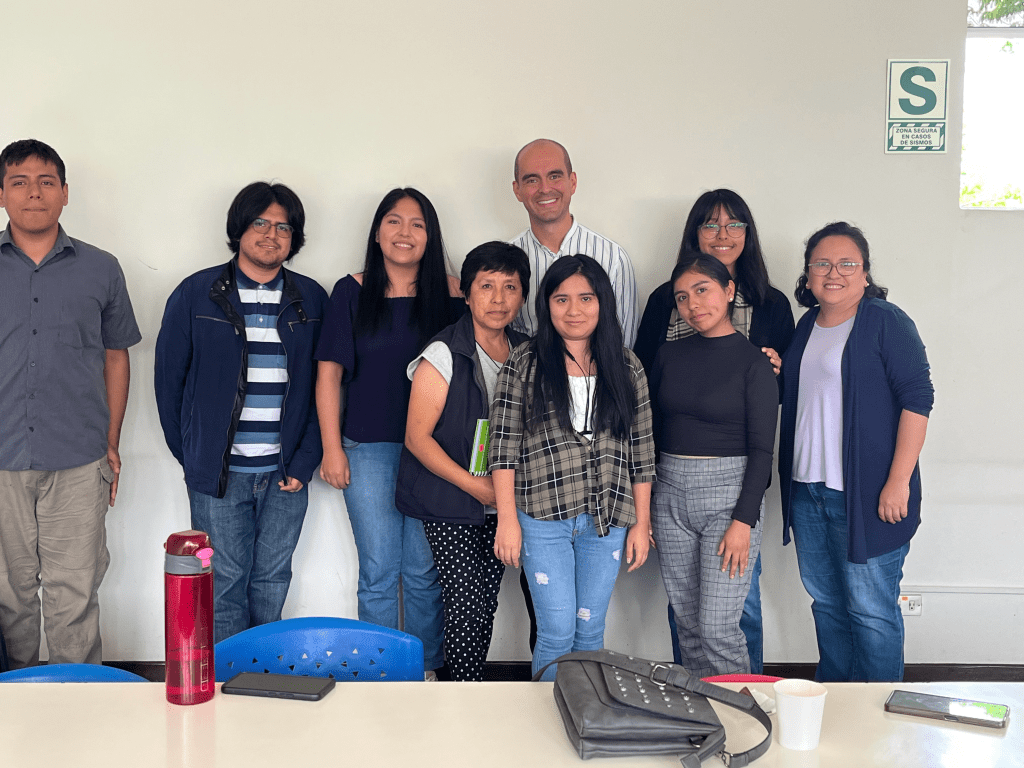
For 10 days. and thanks to the kind invitation of Prof. Betty Galarreta, I visited the Academic Department of Sciences (Chemistry Section) at the Pontificia Universidad Católica del Perú (PUCP) in Lima to present my current research, provide some insights about NMR methodologies, create academic collaborations between our universities, and interact with their ACS International Student Chapter.

A roundtable discussion was organized with undergrad students and academic staff, to talk about my academic formation and how I got connected with the NMR world. We talked about the importance of solid-state NMR and how it could be used in peruvian science and technology. After that, I had the opportunity to visit the Laboratory of Nuclear Magnetic Resonance at PUCP, and their 500 MHz Bruker magnet (first of its kind in the country). Prof. Helena Maruenda-Castillo, head of the lab, introduced me with their research lines and future perspectives.

Moreover, I presented the talk entitled Hyperpolarization phenomena in Nuclear Magnetic Resonance where I showed how to improve the signal enhancement in our NMR experiments. Also, I talked about low-field NMR and how useful are the new benchtop NMR for academia and research.

Finally, I had the opportunity to meet with the members of the ACS International Student Chapter at PUCP to discuss about collaborations between our chapters and the options of international internships, trying to meet one of the milestones from the last ACS International Faculty Advisors Meeting.

I had the chance to talk with most of the professors at the Department, looking for possible collaborations in NMR methodologies, material science development, and student internships. I am confident that successful projects will come after this fruitful visit.

Group visit to the 600 MHz NMR magnet at CIPRONA

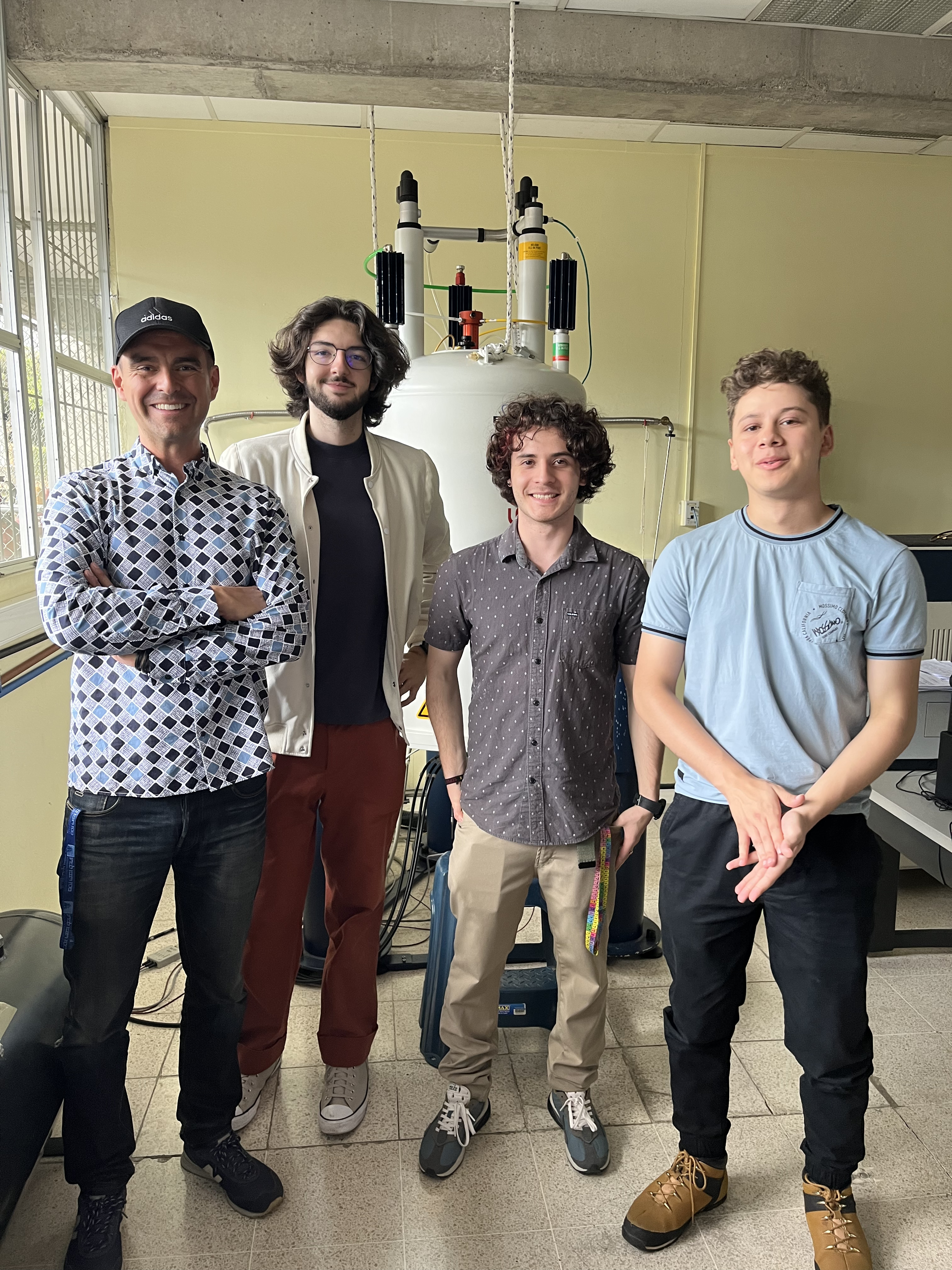
Some of the students of our research group visited the 600 MHz NMR facilities in the Research Center on Natural Products (CIPRONA) at the University of Costa Rica, where they had the opportunity to interact with the device, learn more about liquid-state probes and NMR hardware and develop some basic experiments with the TopSpin® software.

The three students are majoring in Physics Engineering at TEC and are working on low-field NMR. They want to develop different skills on spin dynamics using NMR.

I would like to thank Dr. Giselle Tamayo, CIPRONA Director, for her support to organize this visit and to Dr. Godofredo Solano, NMR specialist, for his time and explanations to the students.

At the CIPRONA 600 MHz NMR facilities. From left: Prof. Isaac Céspedes and the students Diego Wust, Andrés Borloz and Brandon Cordero

Invited speaker at the University of West Indies (UWI)

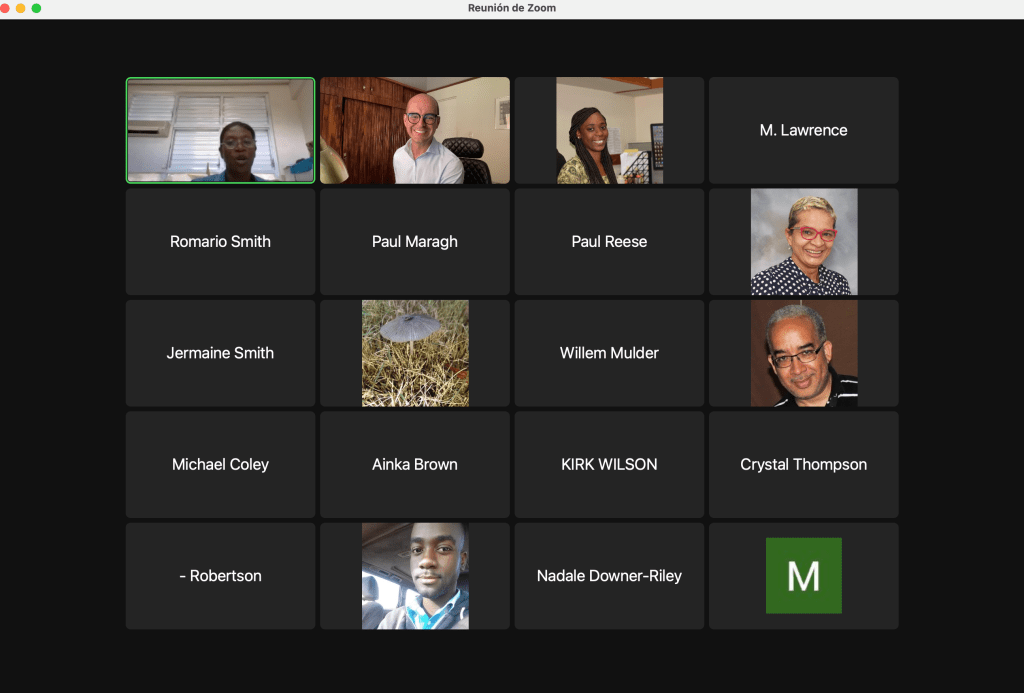
Last February 2nd I was invited to give a talk (virtual) in the seminars of the Department of Chemistry at the University of West Indies (Mona Campus, Kingston, Jamaica). The title of the talk was “Solid-state NMR: basics and applications of hyperpolarization methods“. We had more than 30 participants and a nice academic discussion afterwards.

The idea of the seminar was to give an overview of my field to the academic staff and graduate students, but also looking for possible collaborations between TEC and UWI.

I would like to acknowledge to Dr. Vaughn (Robin) Rattray for catalyze this activity and to Dr. Donna Minott Kates, Head of the Department, for the invitation as a seminar speaker.

If you would like to receive a copy of the presentation, please feel free to contact me.

Screenshot showing some of the seminar attendees (taken by the author)