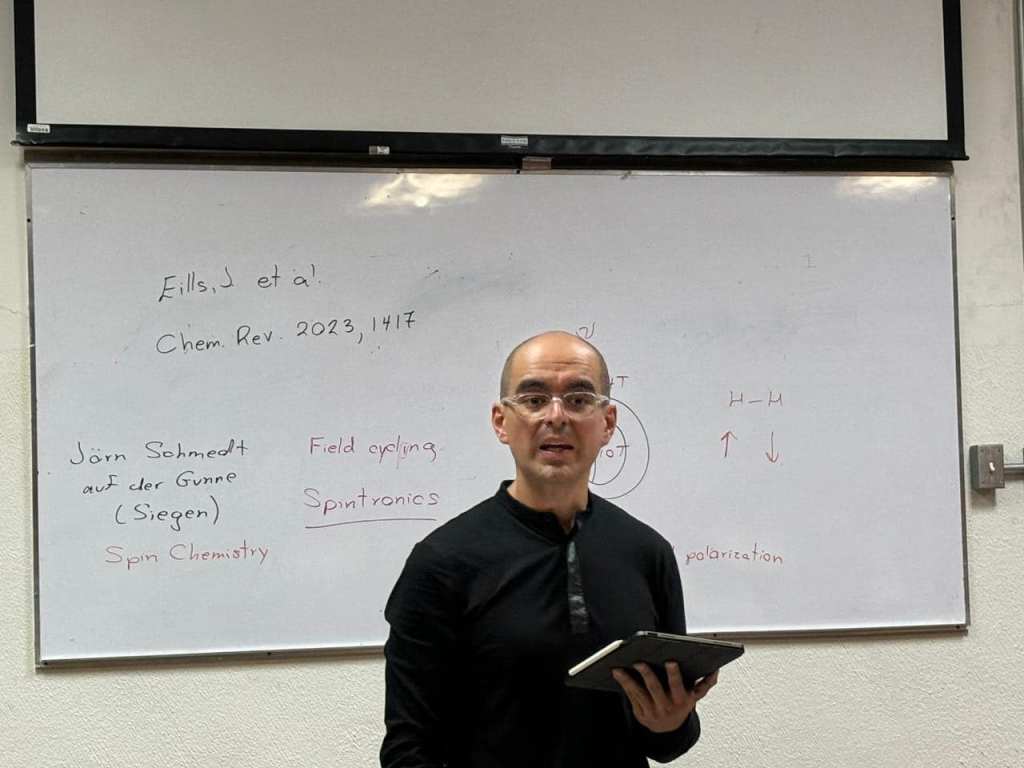
During the second week of July, I participated in the VII NMR School organized at the Benemérita Universidad Autónoma de Puebla (BUAP). I was invited to give a lecture titled An Introduction to hyperpolarization methods in liquid-state NMR, focusing on enhancing NMR signal sensitivity. This year, the school welcomed over 20 attendees, primarily master’s and PhD students, and received support from the International Society on Magnetic Resonance (ISMAR) for the first time.
Thanks to ISMAR’s financial support, grants were provided for international students. One beneficiary was Daniel Fernández-Rodríguez, a Costa Rican Engineering Physics student, who had the opportunity to attend.
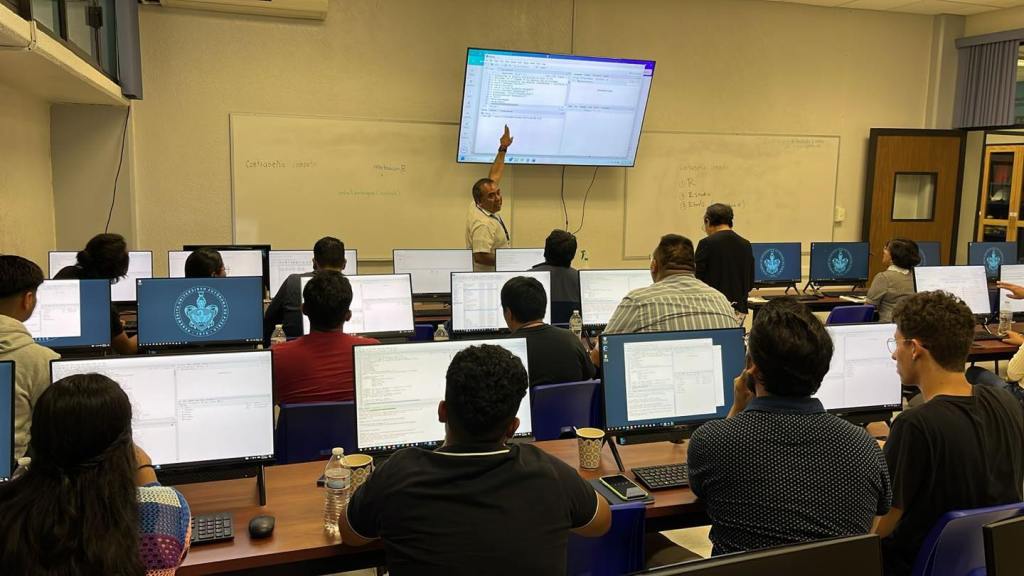
This NMR School is unique in the region, being the only one for Spanish-speaking countries in Latin America that includes an experimental component. With support from Bruker, students worked with a 500 MHz magnet. The experimental sessions included:
i. Using NOAH supersequences for 2D experiments (Dr. Nicole Kruse),
ii. Applying NMR for quantification in food science (Dr. Carlos Amezcua),
iii. Analyzing NMR data in metabolomics (Dr. Raul Salas).
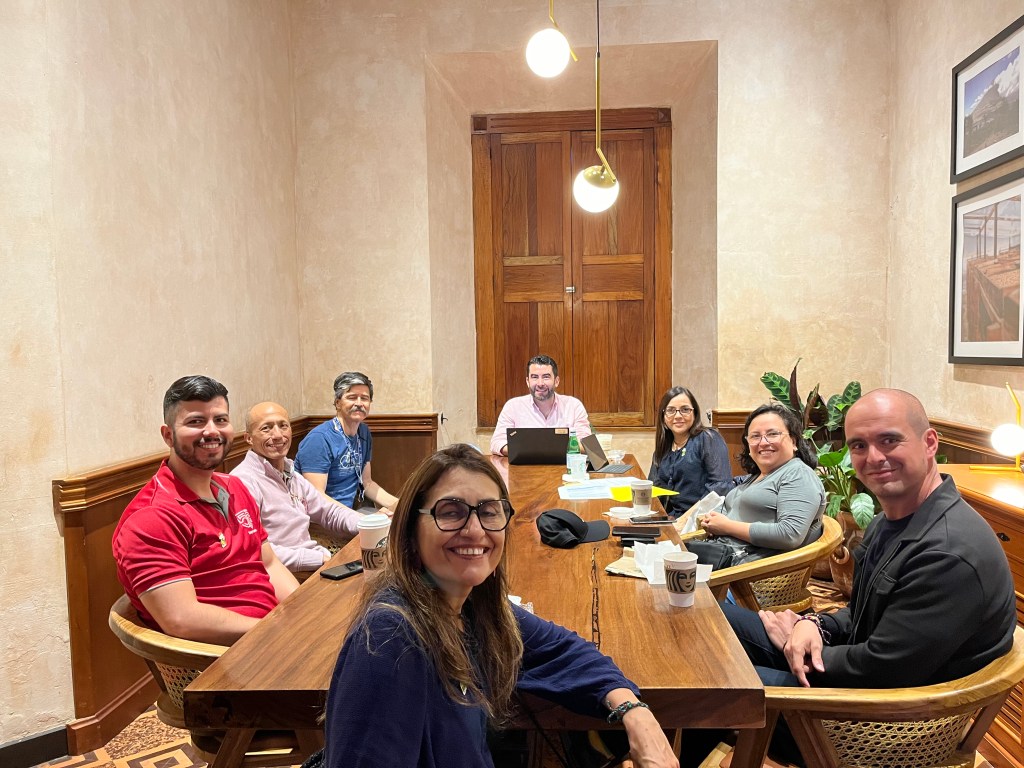
The international participation of both students and professors enriched the NMR School, combining theoretical NMR knowledge with hands-on experience and social activities, fostering connections and enhancing academic networks.



 Prof. Isaac F. Céspedes Camacho